
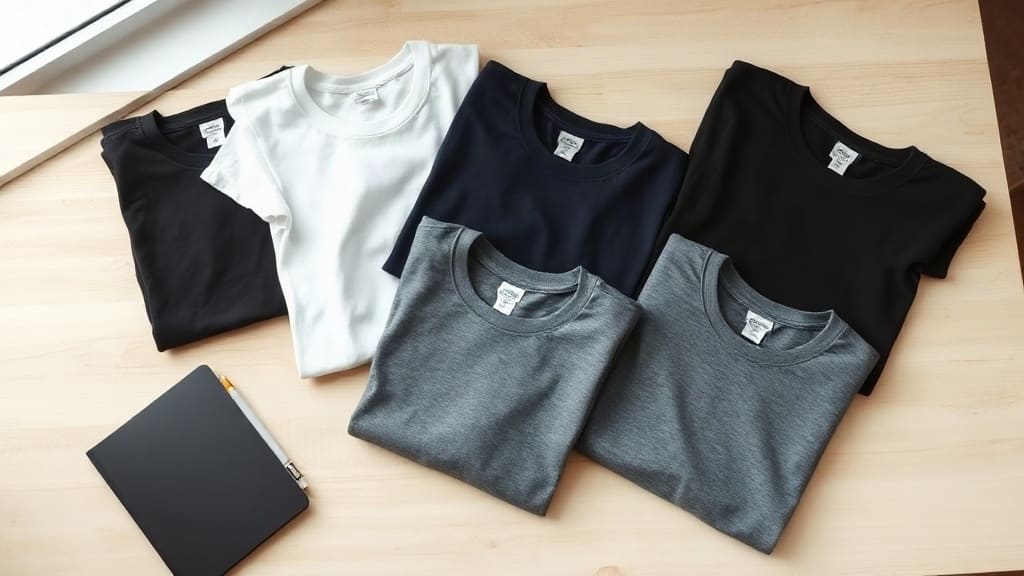
When it comes to creating custom apparel that truly stands out, the foundation matters just as much as the design. That's where smart blank t-shirts come in. These aren't just any ordinary blanks; they're carefully engineered garments designed to take prints, embroidery, and embellishments to the next level. Whether you're a screen printer, a boutique owner, or someone launching a merch line, understanding what makes a blank 'smart' can save you time, money, and a lot of frustration. In this guide, we'll dive deep into the world of smart blanks, covering everything from fabric selection to fit nuances, so you can make informed decisions and produce apparel that customers actually want to wear.
What Exactly Are Smart Blank T-Shirts?
The term 'smart blank t-shirts' might sound like a marketing buzzword, but it refers to a specific category of apparel blanks that are optimized for decoration. Unlike basic blanks that might be inconsistent in size, stitch quality, or fabric blend, smart blanks are manufactured with the end product in mind. They often feature tighter weave structures, pre-shrunk fabrics, and reinforced seams that withstand the heat and tension of printing processes. Additionally, many smart blanks come with tags that are easily removable or tear-away, making private labeling a breeze. In essence, they're the intelligent choice for anyone serious about custom apparel.
Key Characteristics of Smart Blanks
- Consistent sizing: Smart blanks adhere to strict tolerances, so a medium from one batch fits like a medium from the next.
- Print-friendly surfaces: The fabric is often combed and ring-spun, providing a smooth canvas for detailed prints.
- Durable construction: Double-needle stitching and shoulder-to-shoulder taping prevent distortion during printing and washing.
- Versatile fabric blends: Options range from 100% cotton to poly-cotton blends, catering to different printing techniques and customer preferences.
Why Smart Blank T-Shirts Matter for Your Brand
Your brand's reputation is on the line every time someone wears your apparel. If the blank shirt shrinks, fades, or feels rough, your customer won't blame the mill; they'll blame you. Smart blanks mitigate these risks by offering predictable performance. For example, a smart blank that's been pre-shrunk won't surprise your customer with a sudden change in fit after the first wash. Similarly, a blank with a tight knit will hold intricate screen-printed details without bleeding or cracking. By choosing smart blanks, you're investing in quality that reflects positively on your brand.
Cost vs. Value: The Smart Investment
At first glance, smart blanks might cost a few cents more per unit than economy blanks. However, when you factor in reduced waste from misprints, fewer returns due to size issues, and higher customer satisfaction, the value becomes clear. For instance, a print shop that switched to smart blanks reported a 20% drop in reprints because the fabric held ink better. That's money saved and time reclaimed. Plus, happy customers are more likely to order again, boosting your bottom line in the long run.
Choosing the Right Smart Blank for Your Project
Not all smart blanks are created equal. The ideal choice depends on your printing method, target audience, and design complexity. Here's a breakdown of factors to consider.
Fabric Type and Weight
Fabric weight is measured in ounces per square yard (oz/yd²). Lightweight blanks (under 5 oz) are great for summer and layering, while heavier weights (6 oz and up) offer durability and a premium feel. For screen printing, a tighter weave like 30 singles or 40 singles ensures crisp lines. For discharge printing, 100% cotton is a must. Poly-cotton blends, on the other hand, are ideal for sublimation and heat transfers.
Fit and Style
Smart blanks come in various fits: classic, slim, relaxed, and oversized. Consider your audience: a streetwear brand might prefer boxy oversized tees, while a corporate client might want a classic fit. Also, pay attention to details like neckline (crew, V-neck, scoop) and sleeve length. These nuances can make or break the final product's appeal.
Color Options and Consistency
If you're printing multi-color designs, you need blanks that offer a wide color palette with consistent dye lots. Smart blanks from reputable suppliers often provide Pantone-matched colors, ensuring your brand colors stay true across orders. Always request a sample to verify color accuracy before committing to a bulk order.
Top Printing Techniques for Smart Blank T-Shirts
Smart blanks are versatile, but some printing methods pair better with certain fabrics. Let's explore the most common techniques and their compatibility.
Screen Printing
Screen printing is the go-to for bold, durable designs. It works best on 100% cotton or high-cotton blends with a smooth surface. Smart blanks with tight weaves prevent ink from spreading, resulting in sharp edges. For multi-color designs, ensure the blank can handle multiple passes through the dryer without scorching.
Direct-to-Garment (DTG)
DTG printing is ideal for detailed, full-color images. It requires a pretreatment solution, so the blank must be able to absorb it evenly. 100% cotton smart blanks are typically the best choice for DTG, as synthetic fibers can cause the ink to fade or crack. Look for blanks with a high thread count for optimal results.
Heat Transfer and Vinyl
Heat transfer and vinyl are popular for small batches and personalized items. They adhere well to both cotton and poly blends, but the blank's surface must be smooth to prevent peeling. Smart blanks with a tight knit and even surface are perfect for these methods.
Embroidery
For a premium look, embroidery is unmatched. However, not all blanks are suitable; the fabric must be stable enough to support the stitching without puckering. Smart blanks with a medium weight and firm backing are ideal. Avoid lightweight or loosely woven fabrics, as they may distort.
How to Evaluate a Smart Blank Before You Buy
Before placing a large order, it's crucial to test a sample. Here's a checklist to guide your evaluation:
- Wash test: Wash the blank a few times to check for shrinkage, fading, and pilling.
- Print test: Print a sample design using your intended method and assess the outcome after washing.
- Feel test: Run your hand over the fabric; it should feel soft and smooth, not rough or scratchy.
- Stitch inspection: Check seams for loose threads or uneven stitching.
- Label check: Ensure the tag is easy to remove if you plan to private label.
This due diligence will save you from costly mistakes down the line.
Common Mistakes to Avoid with Smart Blank T-Shirts
Even seasoned professionals can slip up. Here are pitfalls to watch out for:
- Ignoring fabric content: Using the wrong fabric for your printing method can lead to poor adhesion and durability.
- Overlooking shrinkage: Always account for shrinkage if you're not using pre-shrunk blanks.
- Skimping on quality: Cheaper blanks might save money upfront but cost more in returns and reprints.
- Not testing: Never assume a blank will work; always test with your specific design and equipment.
Frequently Asked Questions About Smart Blank T-Shirts
What makes a blank t-shirt 'smart'?
A smart blank t-shirt is designed specifically for decoration, with features like consistent sizing, print-friendly fabric, and durable construction. It's optimized to deliver superior results for screen printing, DTG, embroidery, and other methods.
Are smart blank t-shirts more expensive?
They can be slightly pricier than economy blanks, but the higher quality reduces waste and returns, offering better long-term value. Think of it as an investment in your brand's reputation.
Which fabric is best for screen printing on smart blanks?
100% cotton or high-cotton blends (like 90/10) are ideal for screen printing because they hold ink well and provide a smooth surface. Polyester blends can work but may require special inks.
Can I use smart blank t-shirts for sublimation printing?
Sublimation requires polyester fabrics, so you'll need a smart blank with a high polyester content (at least 50%, preferably 100%). Cotton blanks won't work for sublimation.
How do I choose the right size range for my target market?
Analyze your audience demographics. If you're targeting younger customers, you might need a wider range including plus sizes. Offering a variety of fits (unisex, women's, youth) can also expand your reach.
Final Thoughts: Elevate Your Custom Apparel with Smart Blanks
Smart blank t-shirts are more than just a commodity; they're the backbone of successful custom apparel. By choosing the right blanks, you ensure your designs look great, last long, and keep customers coming back. Whether you're a small Etsy shop or a large print house, investing in quality blanks pays off. Remember to test before you commit, consider your printing method, and always prioritize the end wearer's experience. With smart blanks, you're not just printing shirts; you're building a brand.