
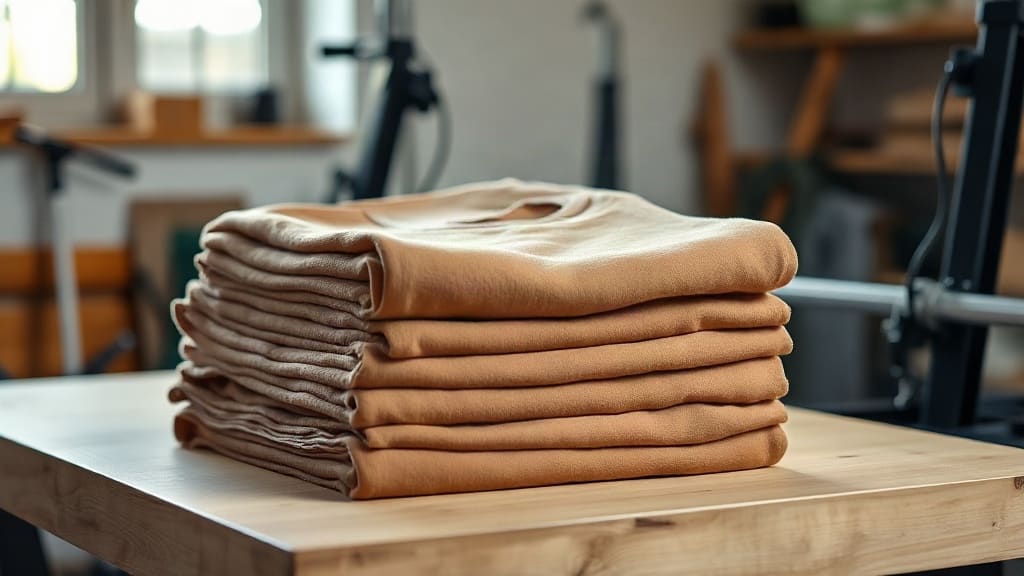
A shirt is not just fabric cut into a shape. It is the first thing someone notices about your brand, your team, or your event, often before a single word is spoken. When people talk about CPS in the apparel world, they mean custom premium shirt printing: a finished garment built from better blanks, better decoration methods, and better attention to the small details most suppliers skip. If you have ever pulled a promotional tee out of a drawer two years later and found it stiff, cracked, or faded, you already understand the difference CPS makes.
This guide walks through what actually separates a premium custom shirt from a cheap one, how to choose the right print method for your project, and the questions worth asking before you place an order.
What CPS Actually Means in Practice
The term gets thrown around loosely, so it helps to break it down. A custom premium shirt is the combination of three decisions that happen long before the shirt reaches a customer.
- The blank: the base garment, including its fabric weight, fiber blend, stitch quality, and cut.
- The decoration: the method used to apply your design, whether that is screen printing, embroidery, direct-to-garment, or a transfer.
- The finishing: how the shirt is folded, tagged, packaged, and inspected before it ships.
Weakness in any one of those areas drags down the whole product. A heavyweight ringspun cotton tee with a sloppy print looks worse than a lighter shirt with a clean one. CPS is about getting all three right at the same time.
Why the Blank Comes First
You cannot print your way out of a bad blank. Fabric weight, yarn quality, and construction determine how a shirt feels on day one and how it holds up after twenty washes.
Fabric Weight and Hand Feel
Lightweight shirts around 4 ounces feel thin and tend to go sheer under bright light. Midweight options in the 5 to 6 ounce range hit a comfortable balance for everyday wear. Heavyweight blanks above 6 ounces drape differently, hold their shape longer, and are the usual pick for retail-style merchandise people pay real money for.
Hand feel matters just as much. Ringspun cotton, where the fibers are combed and twisted finer before spinning, produces a noticeably softer surface than standard carded cotton. Blends that mix cotton with a small percentage of polyester or rayon can add stretch and reduce shrinkage, which matters if fit consistency is a priority across a large order.
Construction Details That Show Up Over Time
Look at the collar, the shoulder seams, and the side seams. A ribbed collar with proper recovery will not stretch out into a wavy mess. Taped neck and shoulder seams resist twisting. Side-seamed construction, rather than a tubular body, gives the shirt a cleaner fit through the torso and reduces the chance of the print shifting off-center.
Choosing the Right Print Method
The best method depends on your design, your quantity, and how the shirt will be worn. There is no single answer that fits every project.
Screen Printing
Screen printing pushes ink through a mesh stencil, one screen per color. It offers the strongest color saturation and the best durability on cotton, which is why it remains the standard for bulk orders of bold, simple designs. Setup costs make it less economical for very small runs, and photographic designs with heavy gradients are difficult to reproduce cleanly.
Direct-to-Garment and Transfers
Direct-to-garment printing works like an inkjet printer for fabric, laying down water-based ink directly onto the shirt. It handles full-color, detailed artwork without setup fees, which makes it a strong fit for small batches and one-off designs. The tradeoff is that the print sits on top of the fabric rather than bonding into it, so longevity depends heavily on the pretreatment and the care instructions you pass along.
Transfers, including vinyl and heat-applied films, are fast and consistent. They work well for names, numbers, and small accents, but large solid blocks of transfer material can feel heavy and may peel at the edges if the heat press settings are off.
Embroidery
For polos, hats, and corporate wear, embroidery adds a level of perceived quality that flat printing struggles to match. It is durable, it holds color, and it reads as professional. The catch is design complexity: fine lines and small text need to be simplified so the stitches do not blur together.
Details That Separate Premium From Ordinary
Once the blank and the method are settled, the finishing work decides how the shirt is received. These are the things worth checking on a sample before you commit to a full run.
- Print placement: measure from the collar to the top of the design. A print that sits two inches too low changes the entire look.
- Ink coverage: check for thin spots, halftones that lost their detail, or ink bleeding past the edges of fine lines.
- Cure quality: undercured ink washes out; overcured ink cracks. A proper stretch test on a sample tells you which side you are on.
- Labeling: woven labels, printed neck tags, or custom hang tags signal that someone cared about the finished product.
- Packaging: folded, bagged, and consistently presented shirts arrive looking like merchandise rather than laundry.
Ordering CPS Without Wasting Money
The most common mistake is ordering a large run before approving a physical sample. Always request one. A digital mockup cannot show you how a specific ink color reads against a specific fabric, and it will not reveal whether a design that looked balanced on screen feels cramped on an actual chest panel.
Ask about shrinkage rates and wash testing. Ask what happens if a shirt arrives with a misaligned print. A supplier who answers those questions directly, without hedging, is usually the one worth building a long-term relationship with. For teams ordering repeatedly, keeping a locked specification on file, including the exact blank, ink colors, and placement measurements, prevents drift between orders.
Frequently Asked Questions About CPS
What does CPS stand for in custom apparel?
In this context, CPS refers to custom premium shirt printing: the process of producing a decorated garment using higher-quality blanks, appropriate decoration methods, and careful finishing. It is a quality standard rather than a single technique.
Is screen printing always better than direct-to-garment for a custom premium shirt?
Not always. Screen printing wins on durability and color depth for large runs of simple designs. Direct-to-garment is the better choice for detailed, full-color artwork or small quantities where setup costs would be impractical. The right answer depends on your design and order size.
How many washes should a premium custom shirt survive?
A well-printed shirt on a quality blank, washed inside out in cold water and dried on low heat, should hold its print and shape well past fifty washes. Fading, cracking, or collar distortion before that point usually points to a weak blank or a curing problem, not normal wear.
What fabric weight is best for a premium custom shirt?
For everyday wear, 5 to 6.5 ounce ringspun cotton is a reliable range. Heavier weights above 6.5 ounces suit retail-style merchandise and cooler weather. Lighter weights work for warm climates but tend to feel less substantial.
Should I order a sample before a large CPS run?
Yes. A physical sample confirms ink color, placement, fabric hand feel, and sizing in a way no digital proof can. The cost of one sample is almost always less than the cost of reprinting an order that missed the mark.