
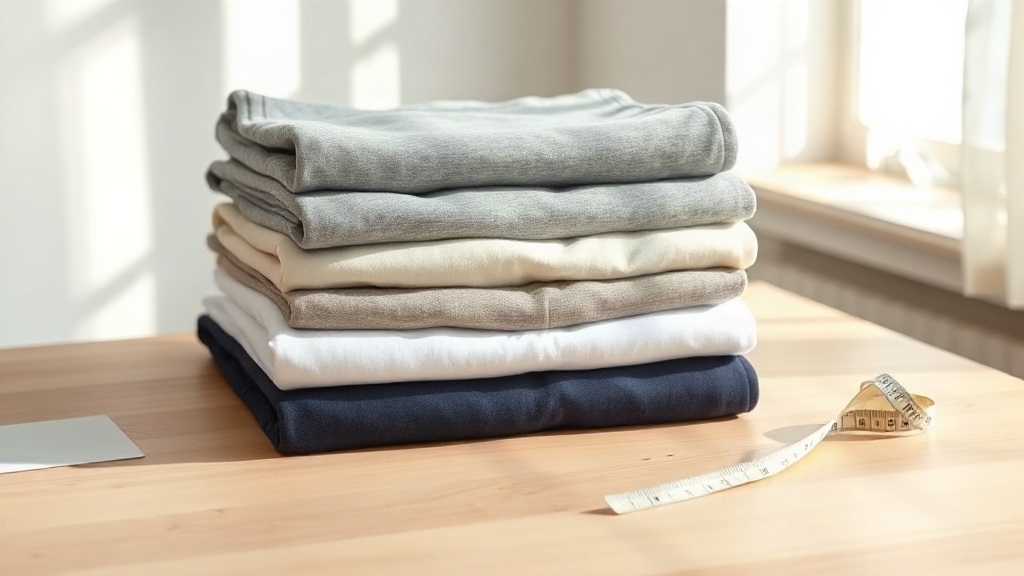
Custom premium t-shirts live or die by one decision most buyers make too late: which blank you print on. You can have flawless artwork and a perfect press setting, but if the shirt itself feels thin, twists after two washes, or has a collar that never sits right, the final product reads as cheap. That is why serious buyers track CPS, or cost per shirt, before they ever approve a mockup. It is not just a budget number. It is a quick way to compare fabric weight, construction, and print performance across options so you know exactly what you are paying for.
Why the Blank Defines a Premium T-Shirt
Retail brands do not hide their blanks. A heavyweight ring-spun cotton tee with a clean shoulder seam and tight ribbed collar feels different the second you pick it up. That feeling comes from specific manufacturing choices: longer staple cotton fibers, combed and ring-spun yarn, and a consistent knit density. When a blank is built well, the print sits on top instead of sinking into a loose weave, and the shirt keeps its shape through repeated wear.
Print shops see this every week. The same screen-printed design on a budget blank and a premium blank can look like two different jobs. On the premium shirt, edges stay crisp, whites stay opaque, and the ink does not crack along the seams after a few laundry cycles. That visual difference is what customers notice, even if they cannot name the reason.
Fabric weight and hand feel
Fabric weight is measured in ounces per square yard, and it drives both durability and perceived value. A 4.2 oz tee feels light and casual, which suits warm-weather giveaways but can look flimsy in a retail setting. A 6.0 to 6.5 oz tee has more body, drapes better, and holds structure. Ring-spun cotton adds softness because the yarn is spun thinner and tighter than standard open-end cotton.
Hand feel matters for another reason: people wear premium shirts longer. A soft, substantial shirt becomes a favorite in the rotation, which means your brand gets seen far more often than a stiff promotional tee that ends up as a gym rag.
Collar, seams, and stitching
Look at the collar first. A double-needle stitched collar with taping across the neck keeps its shape and resists stretching. Shoulder-to-shoulder taping adds stability so the shirt does not pull out of shape when someone reaches or lifts. Side seams create a tailored fit instead of the boxy tube look that comes from tubular construction. These details cost more, and they are exactly what separates a premium blank from a basic one.
Understanding CPS in Apparel Buying
CPS in apparel buying is the total delivered cost divided by the number of usable shirts. It sounds simple, but most buyers forget two inputs: waste and decoration. If you order 100 shirts and 6 get misprinted or damaged, your real cost per shirt is based on 94 pieces, not 100. Add screen setup, ink, labor, and shipping, and the number moves again.
Here is how to calculate it properly:
- Add the blank cost, decoration cost, and inbound freight.
- Add any setup fees, screen charges, or digitizing fees.
- Divide by the number of sellable shirts, not the number ordered.
- Compare that figure against your retail or giveaway price.
A shirt that costs a dollar less per unit but generates 10 percent waste and returns is rarely cheaper. Premium blanks usually reduce waste because they handle ink better and survive handling, folding, and shipping with fewer defects.
Where CPS gets misunderstood
Many buyers treat CPS as a pure cost-cutting metric. In practice, it is a value metric. A higher CPS on a well-made shirt can be the better business decision when the shirt sells at full price, gets worn repeatedly, or represents your brand at an event. The goal is not the lowest number. It is the best ratio of quality to cost for the specific job.
Choosing the Right Blank for Your Project
Different projects need different blanks. A band merch drop, a corporate uniform, and a charity 5K all have different expectations. Match the blank to the use case instead of defaulting to one option for everything.
- Retail and merch: heavyweight ring-spun cotton, side-seamed, 6.0 oz or higher.
- Corporate and team wear: mid-weight cotton or cotton-poly blends that resist shrinking and hold color.
- Events and giveaways: lighter 4.2 to 5.3 oz shirts where cost per unit drives volume.
- Athletic and performance: polyester or poly-blend with moisture management and a smooth print surface.
Cotton-poly blends deserve a mention because they behave differently under a press. The poly content keeps the shirt from shrinking and helps colors stay bright, but it also changes how plastisol and water-based inks cure. Always test a sample before committing to a full run.
Color and dye consistency
Premium blanks are dyed in controlled batches, which means the heather grey you approve on Monday matches the heather grey you receive next month. Budget blanks often vary between production runs, and that inconsistency shows up when you reorder and the new shirts do not match the old ones. For anyone building a consistent brand look, dye consistency is worth paying for.
Print Methods and How They Interact With Blanks
Screen printing remains the standard for bold, durable graphics on premium tees. It lays down a thick, opaque layer that holds up wash after wash. Water-based and discharge printing create a softer, vintage feel because the ink bonds with the fabric instead of sitting on top. Direct-to-garment works well for small runs and detailed designs, but it performs best on tightly knit, smooth blanks.
Embroidery adds texture and a premium signal, especially on left-chest logos and hats. The catch is that heavy embroidery on a lightweight shirt can pucker or sag. Pair embroidery with a stable, mid-weight or heavyweight blank so the stitching has something to hold onto.
Testing before you commit
Order one or two samples and run them through five wash cycles. Check for shrinkage, collar distortion, print cracking, and color fade. This small step protects your budget and your reputation. It also gives you real data for your CPS calculation, since you will know how the shirt performs rather than guessing.
Pricing, MOQs, and Ordering Smarter
Most suppliers tier pricing by quantity, so the cost per shirt drops as volume rises. That creates a temptation to over-order. A better approach is to calculate your realistic sell-through, add a small buffer for defects, and order accordingly. Holding unsold inventory is a cost too, even if the unit price looked great.
Watch for minimum order quantities on both the blank and the decoration side. Some blanks require a minimum per color, and some print shops charge setup fees that only make sense above a certain volume. If your run is small, consider a print method with lower setup, like DTG, even if the per-unit cost is higher.
Frequently Asked Questions
What does CPS mean when buying custom premium t-shirts?
CPS stands for cost per shirt. It is the total delivered cost of the order, including blanks, decoration, freight, and fees, divided by the number of sellable shirts. It gives you a realistic per-unit figure for pricing and budgeting.
Are premium blanks worth the higher upfront cost?
Usually yes, if the shirt is meant to be worn repeatedly or represent your brand at retail or events. Premium blanks hold their shape, print better, and generate fewer defects, which often brings the effective CPS closer to budget options than the sticker price suggests.
How many shirts should I order for a first run?
Start with your realistic sell-through estimate plus a 5 to 10 percent buffer for defects and samples. Avoid large first orders until you have tested the blank, the print method, and how customers respond to the design.
Which print method works best on heavyweight ring-spun cotton?
Screen printing is the most durable choice for bold graphics, while water-based and discharge printing give a softer, vintage look. Direct-to-garment works for detailed, small-run designs. Test each method on your chosen blank before a full production run.
How do I keep my CPS low without sacrificing quality?
Buy in the right quantity to hit better price tiers, reduce waste with proper handling and storage, and choose a blank that matches the job instead of over-specifying. A mid-weight ring-spun tee often delivers premium feel at a lower CPS than a heavyweight option for casual use.