
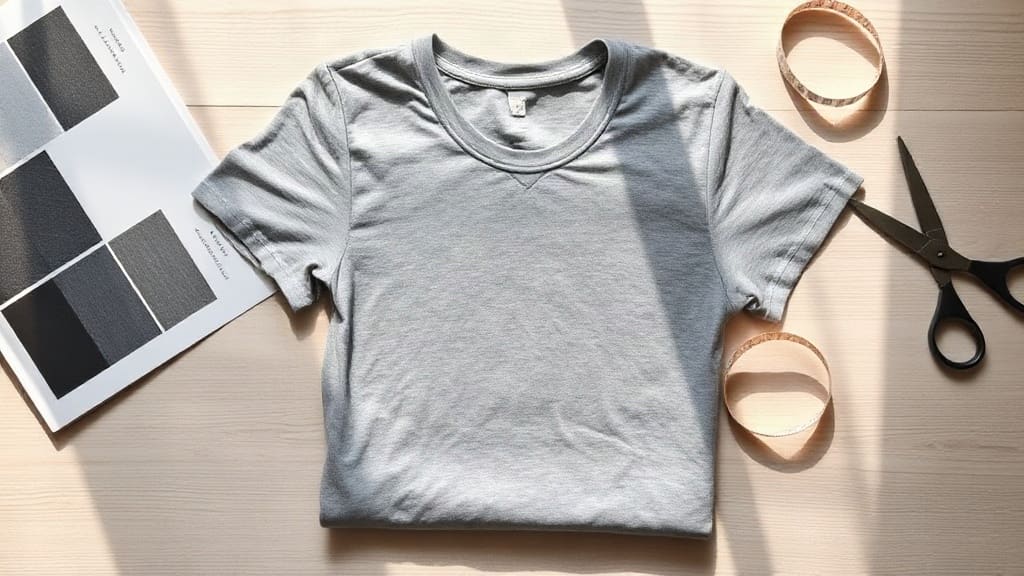
Ordering a Custom Premium Tee should feel exciting, not risky. Yet many buyers end up with prints that crack after one wash or shirts that fit like a box. After years of sourcing and printing premium blanks, I've seen the same avoidable errors repeat. This guide shares seven hard-earned tips to help you get a flawless finish every time, whether you're a small brand or a promotional buyer.
1. Start With the Right Fabric Weight and Blend
Not all premium tees are created equal. The fabric weight, measured in ounces per square yard (oz/yd²), dictates how the shirt drapes, feels, and prints. For a truly premium feel, look for 4.3 oz to 5.5 oz per yard. Lighter fabrics (under 4 oz) can feel flimsy and may not hold up to repeated wear. Heavier fabrics (over 6 oz) offer durability but can be too warm for summer events.
Blend matters too. 100% combed ring-spun cotton gives a soft, smooth surface ideal for detailed prints. Cotton/poly blends (like 50/50 or 60/40) resist shrinking and wrinkles, making them great for athletic or everyday wear. If you want a vintage, heathered look, a triblend (cotton/poly/rayon) offers exceptional softness and drape. Always request fabric swatches before committing to a large order.
2. Understand Your Printing Options
The print method you choose affects durability, feel, and cost. Here's a quick breakdown:
- Screen Printing: Best for bold, long-lasting designs on large orders. Plastisol inks sit on top of the fabric, while water-based inks soak in for a softer feel. Ideal for 24+ pieces.
- DTG (Direct-to-Garment): Great for detailed, multi-color designs and small batches. Inks are water-based and feel soft, but may fade faster on dark shirts unless pretreated properly.
- Heat Transfer: Versatile for small runs and complex art. Can feel slightly plastic-y if not applied correctly, but modern stretch transfers are much improved.
- Embroidery: Adds a premium, textured look. Best for left-chest logos or small text. Avoid large, dense designs as they can pucker.
Consider your design's complexity, order quantity, and desired hand-feel. For a true Custom Premium Tee, water-based screen printing or DTG on combed cotton often delivers the best result.
3. Nail the Fit and Size Range
A premium tee should fit well on all body types. Standard unisex sizes S-3XL are common, but if you're targeting a specific audience, consider offering women's cuts or youth sizes. Check the manufacturer's size chart carefully; measurements vary between brands. For example, a large from one brand may fit like a medium from another.
If you're selling online, include a detailed size guide with chest width and body length. Encourage customers to measure a favorite shirt and compare. Offering a size or two beyond the norm (like XS or 4XL) can set you apart and reduce returns.
4. Choose Colors That Work With Your Design
Color selection is more than aesthetics. Dark shirts require a white underbase for vibrant prints, which adds a layer and can affect softness. Light shirts allow for more subtle, water-based prints without underbase. If you want a vintage or faded look, consider garment-dyed or pigment-dyed shirts, which have a unique, lived-in appearance.
Also, think about contrast. A dark design on a dark shirt may lack pop unless you use a light outline or choose a contrasting ink. Request a digital mockup or, better yet, a physical sample to see how the colors interact.
5. Demand Quality Control at Every Step
Even the best printers can have off days. Implement a simple QC process: check a pre-production sample for print placement, color accuracy, and hand-feel. During production, inspect a few pieces from the run for misprints, misalignment, or fabric flaws. After printing, ensure each shirt is folded and packed correctly to avoid creases.
If you're dropshipping or working with a fulfillment partner, ask about their QC procedures. A reputable printer will happily share their process and may even send you photos before shipping.
6. Test Wash and Wear Before Launching
The true test of a Custom Premium Tee is how it holds up after washing. Before you sell or distribute, wash a sample according to the care label (usually cold, inside out, tumble dry low). Check for fading, cracking, or shrinkage. If the print cracks, the ink may not have been cured properly. If the shirt shrinks excessively, the fabric may not be pre-shrunk.
Share care instructions with your customers to extend the life of their tee. Simple steps like washing inside out and avoiding fabric softener can make a big difference.
7. Work With a Supplier Who Gets Premium
Your supplier is your partner. Look for one that specializes in premium blanks and offers consistent stock, fair pricing, and responsive support. Smart Blanks USA, for instance, focuses on high-quality blanks that take prints beautifully. Ask about their return policy, turnaround times, and whether they offer sample packs. A good supplier will help you troubleshoot and may even suggest alternatives if a shirt is out of stock.
Don't be afraid to negotiate on large orders, but never sacrifice quality for a few cents. The difference between a cheap tee and a premium one is often just a dollar or two, but the perceived value to your customer is huge.
Frequently Asked Questions
What's the best fabric for a custom premium tee that will be printed with DTG?
For DTG, 100% combed ring-spun cotton works best because the ink absorbs evenly and feels soft. Blends with high polyester content can cause the ink to sit on top and fade faster. If you must use a blend, look for one with at least 50% cotton and ensure the printer uses a pretreatment designed for that fabric.
How can I prevent my screen-printed design from cracking?
Cracking usually happens when the ink isn't cured at the right temperature or the print is too thick. Work with a printer who uses a conveyor dryer with a temperature probe. Also, choose a water-based ink for a softer, more durable print. Always wash inside out in cold water and avoid ironing directly on the print.
Should I offer unisex or women's sizes for my premium tees?
It depends on your audience. Unisex tees are versatile and reduce inventory complexity. However, if you're targeting a female-heavy market, offering women's cuts can improve fit satisfaction. Many brands offer both and let customers choose. Just be clear about sizing differences in your product descriptions.
How many shirts should I order for my first run?
Start with a small batch to test the market and your printing process. For screen printing, 24-48 pieces is a good minimum to get a decent price break. For DTG, you can order as few as one. Once you validate demand, scale up. Remember, holding inventory ties up cash, so balance cost savings with risk.
What's the difference between ring-spun and open-end cotton?
Ring-spun cotton is made by continuously twisting and thinning the yarn, resulting in a softer, smoother fabric. Open-end cotton is made by a different spinning method that produces a coarser, more durable yarn. For a premium feel, ring-spun is the clear winner, though open-end can be fine for budget tees or workwear.