
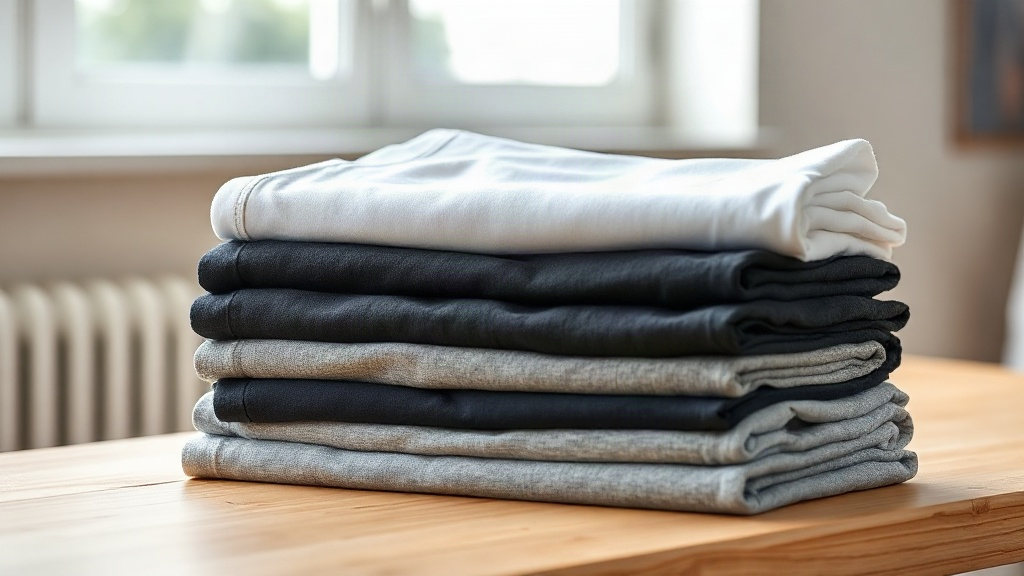
When I started my screen printing shop in 2015, I quickly learned that the blank tee you choose can make or break your business. A Custom Premium Tee is not just a garment; it's the canvas for your client's message, and if that canvas feels cheap, the printed design suffers too. I've seen customers walk away from a $30 print because the shirt felt like sandpaper. That's why I now stock only premium blanks, and in this guide, I'll share everything I've learned about picking the right ones.
Why Premium Blanks Matter for Your Brand
If you're selling custom apparel, your reputation hinges on the quality of the blank you print on. A premium tee retains its shape, resists pilling, and provides a smooth surface for intricate designs. On the other hand, cheap blanks often shrink, fade, or develop holes after a few washes, leading to unhappy customers and returns. I remember a client who ordered 100 shirts for a corporate event using budget blanks; by the time the event ended, several shirts had already started to unravel at the seams. That was a costly lesson. Premium blanks cost a bit more upfront, but they pay off in customer satisfaction and repeat business.
Fabric Matters: Cotton vs. Blends
The fabric of your blank determines how it feels, how it prints, and how it wears. 100% cotton is the gold standard for premium tees because it's soft, breathable, and takes screen printing and DTG well. However, cotton can shrink and wrinkle. Blends like cotton/polyester (50/50) offer durability and reduced shrinkage, but they can be trickier to print on. Tri-blends (cotton/polyester/rayon) are incredibly soft and drape beautifully, making them a favorite for fashion-forward brands. I recommend experimenting with different fabrics to see what works best for your niche. For example, if you're printing for a yoga studio, a tri-blend might be ideal; for a construction company, a heavier cotton or poly-cotton blend will hold up better.
Fit and Construction: The Details That Count
A premium tee isn't just about fabric; it's also about fit and construction. Look for features like double-needle stitching on hems and sleeves, shoulder-to-shoulder tape, and side seams. These details prevent twisting and extend the life of the shirt. Also, consider the cut: unisex, women's fitted, or youth sizes. I've found that offering a variety of fits increases sales because customers can find their perfect match. One of my best-selling accounts is a local brewery that uses a unisex premium tee with a slightly tapered waist; it's flattering on everyone and holds up well after countless washes.
Top Custom Premium Tee Blanks I Recommend
After years of testing, I've narrowed down my go-to blanks. These are the ones I keep in stock because they consistently deliver quality and value.
- Bella+Canvas 3001: This is the industry standard for a reason. It's soft, lightweight, and comes in dozens of colors. The retail fit is modern and flattering. It takes screen printing and DTG like a dream.
- Next Level 6210: A slightly heavier option with a premium feel. The fabric is combed ring-spun cotton, which means it's extra soft and smooth. Great for higher-end brands.
- Comfort Colors 1717: Known for its garment-dyed look, this tee has a vintage, lived-in feel. It's a bit heavier and runs large, but customers love the unique colors and softness.
- Gildan Hammer: If you need a durable, budget-friendly option that still feels premium, this is it. It's a heavier cotton with a boxy fit, perfect for streetwear.
Each of these blanks has its own personality, so order samples and test them with your printing method before committing to a bulk order.
Printing Methods and Their Compatibility
Not all blanks work with all printing techniques. For example, plastisol screen printing works best on 100% cotton, while water-based inks require a high cotton content for the best results. DTG printing works well on 100% cotton but can be tricky on blends. Heat transfer vinyl (HTV) is versatile but may not adhere well to certain finishes. Always check the manufacturer's recommendations and do a test print. I learned this the hard way when I tried to DTG print on a 50/50 blend and the ink faded after one wash. Now, I keep a compatibility chart in my shop.
How to Choose the Right Blank for Your Client
Every client has different needs. A tech startup might want a sleek, modern tee for a product launch, while a music festival needs something that can withstand a mosh pit. Here's my process for selecting the perfect blank:
- Ask about the end use: Will the shirt be worn daily, or is it a one-time event? This determines durability needs.
- Consider the design: Detailed designs need a smooth surface; large blocks of color might require a heavier fabric to prevent show-through.
- Determine the budget: Premium blanks cost more, but they can justify a higher retail price. Work with your client to find the sweet spot.
- Offer samples: Let the client feel the fabric and see the print quality. This builds trust and often leads to upsells.
By following these steps, you'll become a trusted advisor, not just a printer.
Pricing and Profitability: Making Premium Blanks Work for You
One common misconception is that premium blanks eat into profits. In reality, they allow you to charge more. A shirt that costs $5 more to make can often sell for $15 more. Customers are willing to pay for quality, especially when they feel the difference. I've helped clients transition from cheap blanks to premium ones, and their sales increased because customers appreciated the upgrade. Additionally, premium blanks reduce waste from misprints and returns, further improving your bottom line.
Where to Source Custom Premium Tee Blanks
Finding a reliable supplier is crucial. You want a company that stocks consistently, offers fair prices, and provides excellent customer service. I source my blanks from Smart Blanks USA because they carry all the top brands and have fast shipping. Their inventory is always accurate, so I never have to worry about backorders. Plus, they offer bulk discounts, which helps my margins. If you're new to sourcing, start by ordering sample packs from a few suppliers and compare quality and service.
FAQ: Common Questions About Custom Premium Tee Blanks
What is the best fabric for a custom premium tee?
It depends on the intended use. 100% combed ring-spun cotton is generally considered the best for a soft, premium feel and vibrant prints. Tri-blends are great for a vintage look and extreme softness. For durability, a cotton/polyester blend might be better. Always test with your printing method.
How do I prevent shrinkage in premium tees?
Shrinkage is mainly a concern with 100% cotton. Pre-shrunk blanks are available, but some shrinkage may still occur. To minimize it, wash in cold water and tumble dry low. You can also pre-wash blanks before printing, but that adds time and cost. Communicate care instructions to your customers.
Can I print on premium tees with DTG?
Yes, DTG works best on 100% cotton. For blends, the ink may not adhere as well. Some newer DTG printers can handle blends with a pretreatment, but always test first. For best results, use a high-cotton-content blank.
What is the difference between a premium tee and a standard tee?
Premium tees typically use finer yarns (combed ring-spun), have better construction (side seams, shoulder tape), and offer a more flattering fit. They also tend to be softer and more durable. Standard tees are usually made with open-end cotton and have a boxier fit, which can feel rougher.
How many colors should I stock in premium blanks?
Start with core colors: white, black, navy, heather grey, and maybe a few popular fashion colors. As you grow, expand based on customer demand. Offering too many colors can tie up cash and storage. I recommend keeping 10-15 colors max for most small shops.
Choosing the right Custom Premium Tee blank is a decision that impacts every aspect of your business, from customer satisfaction to your bottom line. By focusing on quality, understanding your clients' needs, and partnering with a reliable supplier like Smart Blanks USA, you can set yourself apart in a competitive market. Remember, a premium blank is an investment in your brand's reputation.