
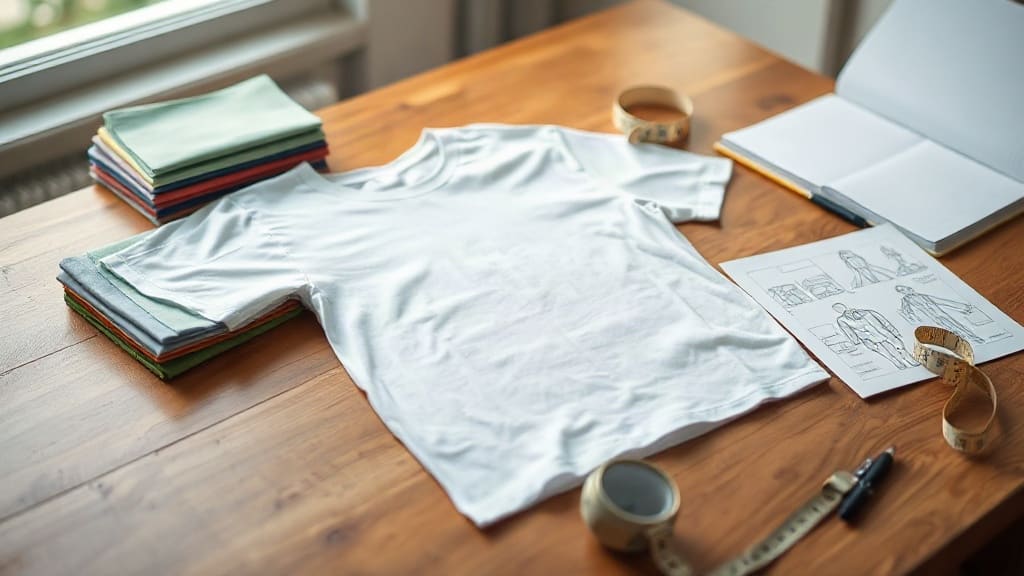
Creating a Custom Premium Tee is more than just slapping a design on a shirt. It's about combining the right blank, the right printing technique, and a design that resonates. If you're new to custom apparel, the choices can feel overwhelming. This guide will walk you through the essentials so you can produce tees that look professional, feel great, and last wash after wash.
Why Start with a Premium Blank?
The foundation of any great custom tee is the blank itself. A premium blank offers superior fabric, construction, and fit compared to standard tees. When you print on a high-quality blank, your design looks better and the shirt feels more comfortable. Customers notice the difference immediately. Smart Blanks USA specializes in premium blanks that are perfect for printing, whether you're using screen printing, DTG, or heat transfer.
Fabric Matters: Cotton, Blends, and More
Most premium blanks are made from 100% cotton or cotton-poly blends. 100% ring-spun cotton is soft, breathable, and takes ink well. It's ideal for screen printing and DTG. Cotton-poly blends, like 50/50 or tri-blends, offer a softer hand and better durability, but they can be trickier to print on. For beginners, a 100% cotton tee is often the safest bet. Look for combed and ring-spun cotton for the smoothest surface.
Weight and Fit: Finding the Sweet Spot
Blank tees come in various weights, typically measured in ounces per square yard (oz/yd²). A 5.5 oz tee is midweight and versatile, while 6.1 oz or higher feels more substantial. Heavier fabrics tend to hold their shape better and resist wrinkles. Fit is equally important: classic fit, slim fit, or oversized. Consider your audience and the vibe of your brand. A retail fit with side seams often looks more polished than a tubular construction.
Choosing the Right Printing Method
Once you have your blank, you need to decide how to apply your design. Each method has its strengths and weaknesses, and the best choice depends on your design complexity, quantity, and budget.
Screen Printing: The Industry Standard
Screen printing is the go-to for large orders. It involves creating a stencil (screen) for each color in your design and pushing ink through it onto the fabric. It's cost-effective for bulk orders, offers vibrant colors, and can handle special effects like puff or metallic inks. However, setup costs are high, so it's not ideal for small runs or designs with many colors.
Direct-to-Garment (DTG): For Detailed Designs
DTG printing works like an inkjet printer for shirts. It's perfect for photorealistic images or designs with gradients and many colors. No setup fees, so it's great for one-offs or small batches. The catch? DTG inks sit on top of the fabric, so they may fade faster than screen printing, and the hand feel can be a bit stiff on dark shirts unless pretreated properly.
Heat Transfer and Vinyl: Simple and Accessible
Heat transfer involves printing your design onto a special paper or vinyl, then using a heat press to apply it to the shirt. It's beginner-friendly and works well for small quantities. Vinyl is great for simple text and shapes, while transfer papers can handle more detail. Durability varies; with proper application, a good heat transfer can last as long as screen printing.
Design Tips for Custom Premium Tees
Your design is what makes your tee unique. Keep these principles in mind to ensure your artwork looks great on fabric.
- Keep it simple: Bold, clean designs often read better than intricate ones, especially from a distance.
- Consider the shirt color: Light ink on dark shirts may need a white underbase for opacity.
- Mind the placement: The standard front print is 10-12 inches wide, centered about 2-3 inches below the collar.
- Test before you commit: Always print a sample to check colors and positioning.
Step-by-Step: Printing Your First Custom Premium Tee
Ready to get started? Follow this simple workflow.
- Choose your blank: Select a premium tee that suits your needs. Smart Blanks USA offers a range of options.
- Prepare your design: Create your artwork in a vector format (like AI or EPS) for screen printing, or a high-resolution PNG for DTG.
- Select a printing method: Based on your design and quantity, pick screen printing, DTG, or heat transfer.
- Print and press: If using heat transfer, follow the temperature and time settings carefully.
- Quality check: Inspect the print for flaws, and wash test a sample to ensure durability.
Common Mistakes to Avoid
Even seasoned pros make mistakes. Here are a few pitfalls to watch out for.
- Using low-quality blanks: They may shrink, fade, or feel rough, undermining your brand.
- Ignoring fabric content: Some printing methods work better on 100% cotton than on blends.
- Rushing the cure: For screen printing and heat transfer, proper curing is essential for washability.
- Overcomplicating the design: Too many colors or fine details can increase costs and reduce impact.
Frequently Asked Questions
What is the best blank for a custom premium tee?
The best blank depends on your budget and intended use. For a soft, retail-ready feel, look for 100% ring-spun cotton or a tri-blend. Smart Blanks USA offers premium options that are popular among printers.
How do I choose between screen printing and DTG?
Choose screen printing for large orders (50+ pieces) with simple designs and few colors. Choose DTG for small batches, detailed designs, or photos. If you're unsure, order samples of both to compare.
Can I print on dark premium tees with DTG?
Yes, but dark shirts require a white underbase for the colors to pop. This adds a step and may affect the hand feel. Some DTG printers handle this automatically, but always test first.
How long will my custom tee last?
With proper printing and care, a custom premium tee can last for years. Wash inside out in cold water and tumble dry low to preserve the print. Screen printing tends to be the most durable.
Where can I buy premium blanks for printing?
Smart Blanks USA specializes in high-quality blanks suitable for all printing methods. Visit their website to browse their selection and order samples.