
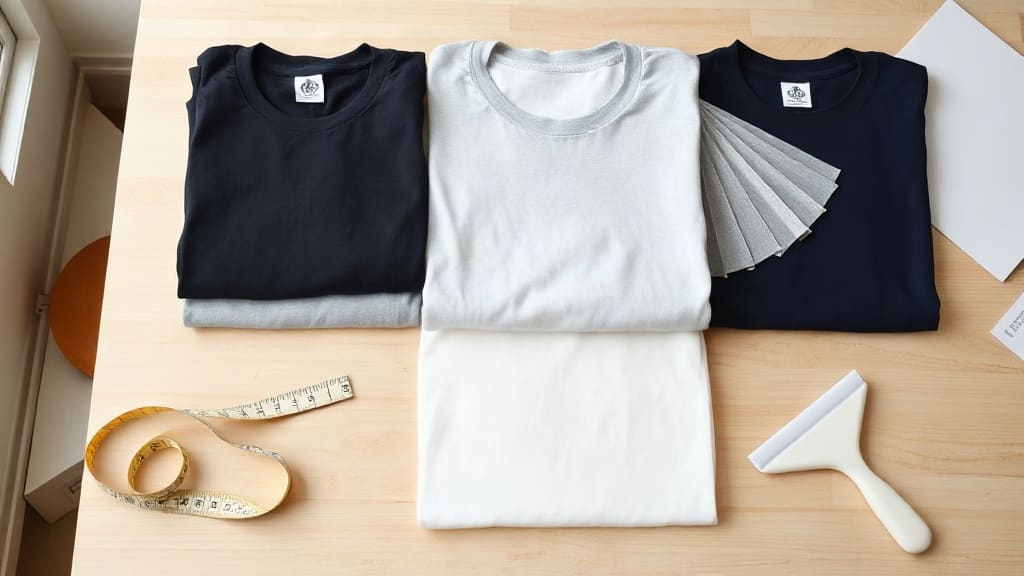
Ordering custom shirts usually starts with excitement and ends with a box of shirts that fit nobody on your list. The gap between those two moments is almost never about design talent. It comes down to fabric weight, print method, and the sizing chart you did not read closely enough. After producing apparel for teams, family reunions, and small brands, the same mistakes show up again and again, and all of them are avoidable before you place an order.
Start With the Blank, Not the Design
Most people open a design tool first and pick a shirt later. That order costs money. A busy six color logo collapses on a thin tri-blend tee, while a single line of text looks lost on a heavyweight hoodie. Choosing the blank first tells you what the print can realistically do.
When you shop for blanks, look at three numbers before anything else: fabric weight, fiber content, and available colors in your size range. Fabric weight is measured in ounces per square yard. Under 4.5 ounces feels light and drapes loosely, which suits warm weather and retail-style fashion pieces. Between 5 and 6.5 ounces is the sweet spot for everyday custom t-shirts that need to survive repeated washing. Above 7 ounces you are in heavyweight territory, which holds shape well but feels stiff until it breaks in.
Cotton, Blends, and Performance Fabrics
100% cotton is the default for a reason. It takes screen printing and direct-to-garment ink cleanly, feels familiar against the skin, and softens over time. Ring-spun cotton costs a little more than open-end cotton because the fibers are combed and twisted tighter, which produces a smoother surface and less pilling after a dozen washes.
Cotton-poly blends, often 50/50 or 60/40, resist shrinking and wrinkling. They are the practical pick for staff uniforms and event shirts that get worn hard. Tri-blends, usually cotton, polyester, and rayon, feel exceptionally soft and have a heathered look that hides minor print imperfections, though they can be trickier to print with plastisol because the surface is uneven.
Performance polyester is a different animal. It wicks moisture and stretches, which makes it popular for sports and gym apparel. The catch is dye migration: dark polyester can bleed into light-colored ink during curing. If you print light ink on dark performance fabric, ask for a low-bleed underbase or a poly-specific ink.
Matching the Print Method to the Shirt
The print method determines how the shirt feels, how long the graphic lasts, and what your per-unit cost looks like at different quantities. There is no universally best option, only the right fit for your order size and artwork.
Screen Printing
Screen printing pushes thick ink through a mesh screen, one color at a time. It is the most durable option for large runs and the most cost-effective once you pass roughly two dozen pieces. Setup costs are real, since each color needs its own screen, so a five-color design at twelve units will feel expensive per shirt. At two hundred units, that same design becomes the cheapest professional-looking option available.
Direct-to-Garment and Heat Transfer
Direct-to-garment printing works like an inkjet printer for fabric. It handles full-color, photographic artwork with no setup fee, which makes it ideal for small batches and one-off designs. The tradeoff is durability on dark shirts and a slightly stiffer hand feel on heavy cotton. Heat transfer vinyl is the go-to for names and numbers, single-color logos, and small runs where speed matters more than long-term wash resistance.
Embroidery
Embroidery adds texture and perceived value that flat printing cannot match. It suits polos, caps, and corporate wear. Fine details and small text under a quarter inch tend to close up in thread, so simplify logos before sending them to the digitizer.
Getting Sizing and Fit Right the First Time
Sizing is where most orders go wrong, and it is entirely preventable. Do not assume a medium from one brand matches a medium from another. Blank manufacturers use different fit blocks, and a unisex medium can run anywhere from a 38-inch to a 42-inch chest.
- Pull the actual size chart from the manufacturer, not a reseller summary.
- Measure a shirt people already wear and like, laid flat, pit to pit.
- Add half an inch to an inch for shrinkage on 100% cotton if you plan to machine dry.
- For youth and women's cuts, check the length separately from the width.
For group orders, collect sizes before you buy. A simple form asking for height, weight, and preferred fit takes two minutes per person and prevents the awkward leftovers that nobody wants to wear.
Color, Ink, and What Actually Shows Up
Screen colors and ink colors behave differently. A bright orange ink on a navy shirt will look muted compared to the same orange on white, because the fabric underneath influences how light reflects through the ink. If color accuracy matters, request a printed sample on the exact shirt color you plan to use.
Also consider contrast for readability. White text on a light heather gray shirt disappears at ten feet. Dark text on dark fabric has the same problem. When in doubt, add an outline or a contrasting underbase to keep the design legible.
Pricing Realities Worth Knowing
Cost per shirt drops sharply as quantity rises, but the curve flattens after a few hundred units. The biggest jumps happen between one and twelve pieces, and again between twelve and fifty. If your budget is tight, simplify the artwork rather than cutting the shirt quality. A well-made blank with a one-color print outperforms a cheap shirt with a five-color design every time.
Caring for Custom Shirts So They Last
Turn printed shirts inside out before washing, use cold water, and skip the dryer when you can. Heat is what cracks plastisol ink and fades dye. If you must dry, use low heat and remove the shirt while it is still slightly damp. Never iron directly over a print; use a pressing cloth or iron from the inside. Following these steps routinely doubles the visible life of a printed shirt.
Frequently Asked Questions
How many custom shirts should I order for a small team?
Order two to three extra pieces in the most common sizes. Group orders almost always have one or two people who need a different size after the fact, and reordering a small batch later costs more per unit than adding spares upfront.
What is the minimum order for screen printed custom shirts?
Most screen printers start around twelve to twenty-four pieces per design. Below that, direct-to-garment or heat transfer usually makes more financial sense because there are no screen setup fees.
Do custom shirts shrink after washing?
100% cotton can shrink roughly three to five percent in length during the first few hot washes. Blends shrink less. If fit is critical, buy one size up or choose a pre-shrunk or blend fabric.
Which fabric is best for outdoor event shirts?
A 5.5 to 6.5 ounce cotton or cotton-poly blend balances breathability and durability. For hot climates, consider a performance polyester with moisture wicking, but confirm the printer can handle dye migration on dark colors.
Can I mix sizes and colors in one order?
Yes, and mixing is common. Keep in mind that each additional shirt color may require a separate setup for screen printing, which affects pricing. Direct-to-garment handles mixed colors without extra setup.