
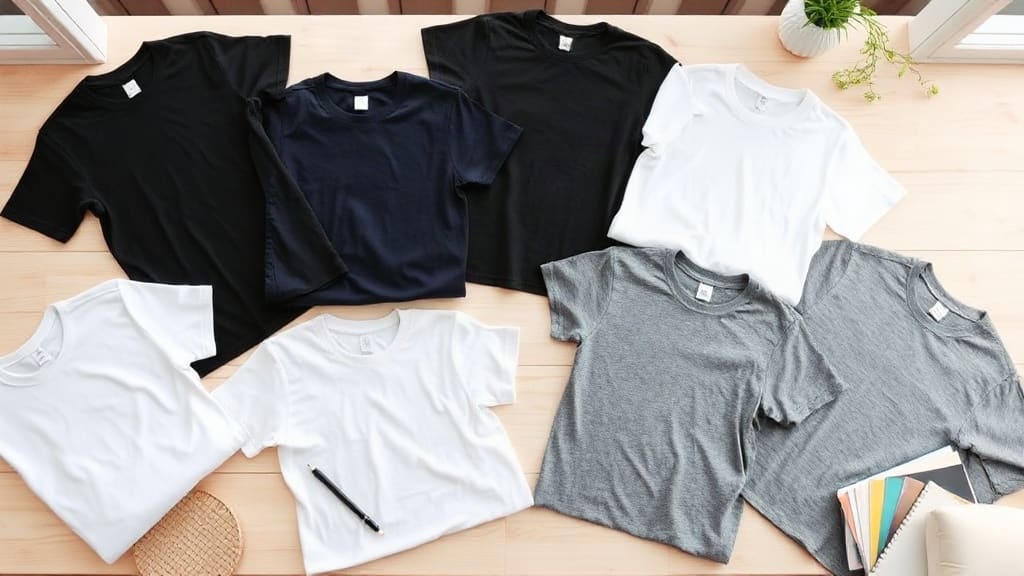
Walking into a room wearing a shirt that perfectly captures your personality or promotes your brand feels different. It is not just fabric; it is a statement. Custom Shirts have moved far beyond simple team jerseys or promotional giveaways. Today, they are a canvas for creativity, a tool for connection, and a smart way to express exactly who you are. Whether you are a small business owner looking to build a loyal following, an event organizer wanting to create a memorable experience, or simply someone who loves wearing something unique, the world of personalized apparel is wide open. In this guide, we will walk through everything you need to know to create shirts you will actually love to wear.
Why Custom Shirts Are More Than Just Clothing
Think about the last time you received a shirt that was made specifically for you or your group. It probably felt different. That is because Custom Shirts carry a story. They are not mass-produced items pulled off a shelf; they are intentional. For businesses, a well-designed shirt turns employees into walking billboards, but in a good way. It builds unity and makes customers curious. For individuals, a custom shirt can commemorate a milestone, celebrate a hobby, or simply show off a sense of humor that a store-bought shirt never could.
There is also a practical side. When you order custom, you control the fit, the fabric, and the print. You are not stuck with whatever colors or sizes happen to be in stock. That level of control means you get a product that fits your body and your life, not the other way around.
Choosing the Right Fabric for Your Custom Shirts
The fabric you choose determines how your shirt feels, how long it lasts, and how well it holds up to washing. Not all cotton is created equal, and there are several blends worth knowing about.
100% Cotton: The Classic Choice
Cotton is breathable, soft, and takes ink beautifully. It is the go-to for most Custom Shirts because it feels familiar and comfortable. However, cotton can shrink and wrinkle, so pre-shrunk options are worth seeking out. Ringspun cotton is a step up, offering a smoother, finer feel that is ideal for retail-quality shirts.
Cotton-Poly Blends: Durability Meets Comfort
If you need shirts that will withstand frequent wear and washing, a 50/50 blend of cotton and polyester is a smart pick. These shirts resist shrinking and fading, making them perfect for uniforms or events where you need consistency over time. They also tend to be more affordable, which helps when ordering in bulk.
Tri-Blends: The Softest Option
Tri-blends mix cotton, polyester, and rayon to create an incredibly soft, vintage-looking fabric. They drape well and feel lightweight, making them a favorite for fashion-forward Custom Shirts. Keep in mind that tri-blends can be trickier to print on because of their texture, so work with a printer who knows how to handle them.
Printing Techniques: Which One Is Right for You?
Once you have chosen your fabric, the next big decision is how to apply your design. Each method has strengths and weaknesses, and the best choice depends on your artwork, quantity, and budget.
Screen Printing
Screen printing is the workhorse of the custom apparel industry. It involves pushing ink through a mesh screen onto the fabric. It is cost-effective for large orders, produces vibrant colors, and holds up well over time. The catch is that each color in your design requires a separate screen, so complex, multi-color designs can get pricey for small runs. If you are ordering 50 shirts or more with a simple design, screen printing is often the best value.
Direct-to-Garment (DTG) Printing
DTG printing works like a high-end inkjet printer for fabric. It is perfect for detailed, full-color designs and small batches because there are no setup fees. The ink bonds with the fibers, resulting in a soft feel. However, DTG works best on 100% cotton, and the colors may not be as bold as screen printing. It is a great option for one-off Custom Shirts or small teams.
Heat Transfer and Vinyl
Heat transfer involves printing your design onto a special paper and then using a heat press to apply it to the shirt. Vinyl cutting is similar but uses colored sheets of material. These methods are ideal for names, numbers, and simple logos. They are quick and accessible for small orders, but the design can feel a bit stiff and may crack over time if not cared for properly.
Embroidery
For a premium, professional look, embroidery is hard to beat. Stitched logos on polo shirts or hats scream quality. It is durable and adds texture. The downside is that very detailed designs with fine lines or gradients do not translate well to thread, so embroidery is best for bold, simple logos.
Design Tips for Custom Shirts That People Will Actually Wear
Creating a design that looks good on a screen is one thing; making it look good on a shirt is another. Here are some practical tips to keep in mind.
- Keep it simple. Cluttered designs are hard to read from a distance. A clean, bold graphic or a short phrase often works best.
- Consider placement. The left chest, full front, and back are standard, but you can also add small details on sleeves or hems. Think about where the eye naturally falls.
- Mind the colors. Ensure your design contrasts well with the shirt color. A dark design on a dark shirt will disappear. Also, remember that colors may look different on fabric than on your monitor.
- Test the size. Print a mockup on paper and hold it against your body to get a sense of scale. What looks huge on screen might be tiny on a shirt.
- Get feedback. Before you commit to a large order, show the design to a few people whose opinions you trust. Fresh eyes catch mistakes.
Ordering Custom Shirts: A Step-by-Step Guide
Ready to bring your idea to life? Here is a straightforward process to follow.
- Define your purpose. Is this for a business, an event, a team, or personal use? Knowing the goal helps you make decisions about quantity and quality.
- Choose your shirt style. T-shirts, polos, long sleeves, tank tops, or hoodies? Consider the season and how the shirt will be worn.
- Select your fabric and color. Use the guide above to pick the right material. Order swatches if you are unsure about colors.
- Finalize your design. Work with a designer or use online tools to create your artwork. Make sure you have a high-resolution file.
- Pick a printing method. Based on your design and quantity, choose the technique that fits your needs and budget.
- Request a sample. Before placing a large order, order a single shirt to check the quality, fit, and print. This small investment can save you from a big mistake.
- Place your order. Confirm sizes, quantities, and delivery date. Always order a few extras to account for mistakes or future needs.
Common Mistakes to Avoid with Custom Shirts
Even with the best intentions, things can go wrong. Watch out for these pitfalls.
- Ignoring sizing. People come in all shapes and sizes. Offer a range of sizes, and consider unisex versus fitted styles. When in doubt, order a size up.
- Using low-resolution images. A pixelated logo looks unprofessional. Always use vector files or high-resolution images (300 DPI or higher).
- Skipping the sample. As mentioned, a sample is your best insurance. Do not skip it for large orders.
- Forgetting about care instructions. Let your customers know how to wash and dry the shirts to keep the print looking new. Usually, washing inside out in cold water and tumble drying low is best.
- Underestimating demand. If you are selling shirts, order a bit more than you think you need. Running out is a good problem to have, but it can also disappoint customers.
Frequently Asked Questions About Custom Shirts
How long does it take to get custom shirts made?
Turnaround time depends on the printing method and quantity. Small orders with heat transfer or DTG can be ready in a few days. Screen printing for larger orders typically takes one to two weeks after design approval. Always ask for a timeline upfront and plan accordingly.
Can I put my own design on a shirt if I am not a graphic designer?
Absolutely. Many online platforms offer templates and easy-to-use design tools. Alternatively, you can hire a freelance designer for a small fee. Just make sure you have the rights to any images or fonts you use.
What is the minimum order quantity for custom shirts?
It varies by printer. Some specialize in no-minimum orders using DTG or heat transfer, while screen printers often require at least 12 to 24 pieces. If you only need a few shirts, look for a printer that offers digital printing.
How should I care for my custom shirts to make them last?
Wash them inside out in cold water and avoid using bleach. Tumble dry on low or hang dry. If you need to iron, do not iron directly on the print; use a pressing cloth or iron the shirt inside out. Following these steps will keep the design looking fresh for years.
Are custom shirts more expensive than regular shirts?
They can be, but not always. For a single shirt, the cost per unit is higher due to setup and printing. However, for bulk orders, the price per shirt often drops significantly and can be comparable to retail prices. Plus, you get a unique product that is tailored to your needs.
Creating Custom Shirts is a rewarding process that combines creativity with practicality. Whether you are outfitting a team, promoting a business, or just making a personal statement, the options are endless. Take your time, choose quality materials, and work with a reputable printer. The result will be shirts that people not only wear but cherish.