
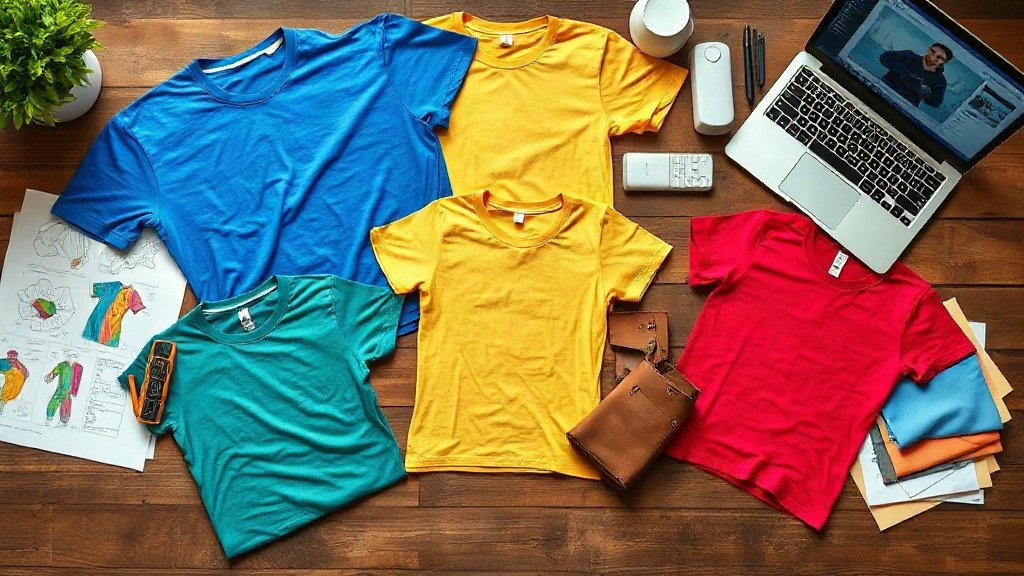
When you need apparel that speaks for your brand, event, or team, custom shirts are the answer. But not all custom apparel is created equal. Whether you're a small business owner looking to make a mark, a event organizer needing bulk tees, or an individual wanting a unique piece, the process of creating custom T-shirts can be both exciting and overwhelming. With so many options for fabrics, printing techniques, and suppliers, how do you ensure you get high-quality results without breaking the bank? This guide walks you through everything you need to know, from concept to delivery, so you can order with confidence.
Why Custom Shirts Matter More Than Ever
In a world where first impressions are often digital, physical apparel still holds immense power. Custom shirts transform ordinary clothing into walking billboards for your brand. They create a sense of belonging, whether it's a company uniform, a family reunion tee, or merchandise for a band. Unlike generic promotional products, custom T-shirts are worn repeatedly, giving you ongoing exposure. According to industry insights, branded apparel is one of the most effective marketing tools, with a cost per impression that rivals digital ads. But beyond marketing, custom shirts foster connection. They tell a story, celebrate an occasion, and make people feel part of something bigger.
Key Decisions When Creating Custom T-Shirts
Before you dive into design, you need to make several foundational choices. These decisions affect everything from the final look to the cost and durability of your shirts.
Choosing the Right Fabric
The fabric you select determines comfort, fit, and how well your design holds up. Here are the most common options:
- 100% Cotton: Soft, breathable, and ideal for printing. It's the classic choice for custom T-shirts, but it can shrink and wrinkle.
- Cotton-Poly Blend: Combines the softness of cotton with the durability and wrinkle resistance of polyester. Great for athletic or everyday wear.
- Tri-Blend: A mix of cotton, polyester, and rayon. Ultra-soft and trendy, often used for retail-style tees.
- Performance Fabrics: Moisture-wicking and quick-drying, perfect for sports teams or outdoor events.
Consider the intended use: a casual giveaway might call for a basic cotton tee, while a premium corporate gift might warrant a tri-blend or organic cotton option.
Selecting a Printing Method
The printing technique impacts the design's appearance, feel, and longevity. Here's a breakdown of the most popular methods:
- Screen Printing: The go-to for bulk orders. It's cost-effective for large quantities, offers vibrant colors, and durable results. However, it requires a setup fee per color and is less practical for small runs or complex designs with many colors.
- Direct-to-Garment (DTG): Best for detailed, full-color designs and small batches. It works like an inkjet printer for fabric, but the print may fade faster than screen printing and works best on 100% cotton.
- Heat Transfer (Vinyl): Ideal for simple text, numbers, or single-color logos. It's quick and cost-effective for small orders, but not suitable for complex images.
- Embroidery: Adds a premium, professional look. Perfect for polos and left-chest logos, but not for large, detailed designs.
Your choice depends on your budget, timeline, and design complexity. For example, a local sports team needing 50 jerseys with numbers might opt for heat transfer, while a company ordering 500 event tees might choose screen printing.
Nailing the Design
A great design makes your custom shirts stand out. Keep these tips in mind:
- Simplicity Wins: Avoid overly intricate details that may get lost. Bold, clear graphics and legible fonts work best.
- Color Contrast: Ensure your design contrasts well with the shirt color. For example, dark text on a light shirt, or vice versa.
- Placement: The left chest, full front, and back are classic spots. Consider how the design will look when worn.
- File Format: Provide vector files (AI, EPS, PDF) for the best print quality. If you only have a raster image, ensure it's high resolution (300 DPI).
If you're not a designer, many suppliers offer free design tools or have a team to help. Smart Blanks USA, for instance, provides resources and support to bring your vision to life.
Sourcing Custom Shirts: What to Look For
Finding a reliable supplier is crucial. Here's what to evaluate:
- Quality of Blanks: Look for well-known brands like Bella+Canvas, Next Level, or Gildan. Smart Blanks USA offers a curated selection of high-quality blanks that are soft, durable, and print-friendly.
- Printing Capabilities: Does the supplier offer the printing method you need? Do they have in-house printing or partner with trusted printers?
- Turnaround Time: Rush orders can be critical for events. Clarify production and shipping times upfront.
- Pricing: Request quotes for different quantities. Watch for hidden fees like setup, shipping, or rush charges.
- Customer Service: Responsive support can save you headaches. Read reviews and ask questions before committing.
Smart Blanks USA stands out for its commitment to quality and customer satisfaction. They provide a seamless experience from ordering blanks to getting them printed, making them a one-stop shop for custom T-shirts.
Cost Factors for Custom Shirts
Budgeting for custom shirts involves several variables:
- Quantity: The more you order, the lower the per-unit cost, especially with screen printing.
- Fabric and Brand: Premium blanks cost more but offer better comfort and longevity.
- Printing Method and Colors: Screen printing charges per color; DTG charges per print area. More colors mean higher costs.
- Additional Features: Custom tags, folding, or individual poly-bagging add to the price.
Get multiple quotes to compare. Remember, the cheapest option isn't always the best if quality suffers. Invest in shirts that people will actually want to wear.
Marketing Your Custom Shirts
Once you have your shirts, how do you maximize their impact? Use them as:
- Employee Uniforms: Build team spirit and professionalism.
- Event Giveaways: Attendees love free swag, and they'll wear it around town.
- Merch for Sale: Bands, influencers, and businesses can generate revenue and free advertising.
- Personal Gifts: Custom shirts make thoughtful presents for birthdays, holidays, or reunions.
Share photos on social media, encourage wearers to post, and include a call-to-action on the shirt itself (like a hashtag or website).
Common Mistakes to Avoid with Custom T-Shirts
Even seasoned buyers can slip up. Watch out for these pitfalls:
- Not Ordering Samples: Always request a sample or pre-production proof to check colors, sizing, and print quality.
- Ignoring Sizing: Offer a size range that fits your audience. Unisex sizes are common, but women's cuts and youth sizes may be needed.
- Last-Minute Ordering: Rush fees can blow your budget. Plan ahead, especially for large orders.
- Poor Design Files: Low-resolution images result in blurry prints. Always supply high-quality files.
Frequently Asked Questions About Custom Shirts
How many custom T-shirts should I order to get a good price?
Pricing tiers vary by supplier, but generally, orders of 50 or more unlock significant discounts, especially for screen printing. For smaller quantities, DTG or heat transfer may be more economical. Always ask for a quote for different quantities to find the sweet spot.
What's the best way to wash custom shirts to preserve the print?
Turn the shirt inside out and wash in cold water with mild detergent. Avoid fabric softeners and bleach. Tumble dry on low or hang dry. This will prevent cracking and fading, keeping your custom shirts looking new for years.
Can I mix sizes and colors in one order?
Yes, most suppliers allow you to mix sizes and colors within the same design. However, some printing methods like screen printing may have minimums per color, so mixing shirt colors might affect pricing. Check with your supplier.
How long does it take to get custom T-shirts printed and delivered?
Turnaround time depends on the printing method and order size. Standard production can take 5-10 business days after proof approval, plus shipping. Rush services are available for an extra fee. Always confirm timelines before ordering, especially for time-sensitive events.
Do I need to provide my own design, or can the supplier help?
Many suppliers, including Smart Blanks USA, offer design assistance. You can provide a concept, sketch, or even a rough idea, and their team can create a print-ready design for you. Some may charge a design fee, so ask upfront.