
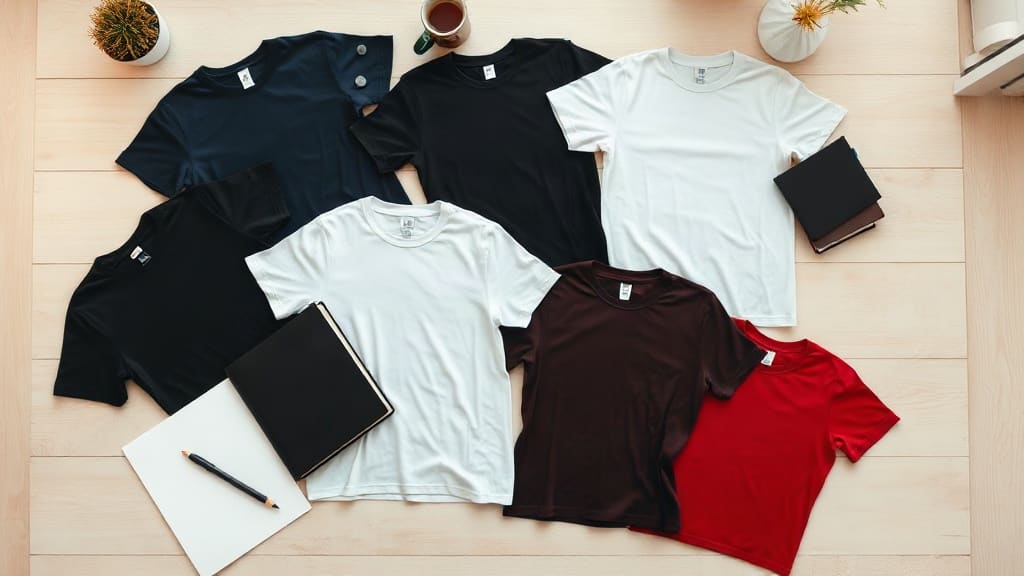
Imagine walking into a room wearing a shirt that perfectly reflects your personality or promotes your brand. That's the power of Custom Shirts. Whether you're an individual looking to stand out or a business aiming to make an impression, custom shirts offer endless possibilities. In this guide, we'll dive deep into the world of custom shirts, from selecting the right blank to choosing the perfect printing method. Let's get started on your journey to wearable art.
Why Custom Shirts Are More Than Just Clothing
Custom shirts are not just garments; they are statements. They tell a story about who you are, what you stand for, and what you love. For businesses, they serve as walking billboards, creating brand recognition with every wear. For individuals, they are a canvas for self-expression. Unlike mass-produced apparel, custom shirts offer a unique blend of creativity and functionality.
Moreover, custom shirts foster a sense of belonging. Team uniforms, family reunion shirts, or event merchandise create a shared identity. When people wear matching custom shirts, they feel part of something bigger. This emotional connection is why custom shirts remain a popular choice for all kinds of occasions.
Choosing the Right Blank for Your Custom Shirts
The foundation of any great custom shirt is the blank itself. The fabric, fit, and quality of the blank determine how your design will look and feel. At Smart Blanks USA, we understand that not all blanks are created equal. Here's what to consider when selecting your blank.
Fabric Matters: Cotton, Blends, and Performance
Cotton is the classic choice for custom shirts. It's soft, breathable, and takes prints well. However, 100% cotton can shrink and wrinkle. Cotton blends, such as cotton-polyester, offer durability and resistance to wrinkles. For activewear, performance fabrics like polyester or spandex provide moisture-wicking properties. Consider the intended use: a casual everyday shirt might be fine in cotton, while a sports team shirt might benefit from a performance blend.
Fit and Style: Finding the Perfect Silhouette
Custom shirts come in various fits: classic, slim, relaxed, and more. The fit affects comfort and how the design appears. A slim-fit shirt offers a modern look, while a relaxed fit provides room to move. Also, consider the style: crew neck, V-neck, long sleeve, short sleeve, tank top, or hoodie. Each style has its own vibe. For a professional setting, a polo shirt might be ideal, while a t-shirt works for casual events.
Printing Techniques for Custom Shirts
Once you've chosen your blank, it's time to bring your design to life. The printing method you choose impacts the look, feel, and durability of your custom shirts. Let's explore the most common techniques.
Screen Printing: The Traditional Workhorse
Screen printing is the most popular method for bulk orders. It involves creating a stencil (screen) for each color and pressing ink through it onto the fabric. Screen printing is cost-effective for large quantities, offers vibrant colors, and can be used on various fabrics. However, it's less practical for complex designs with many colors, as each color requires a separate screen. Also, setup costs can be high for small runs.
Direct-to-Garment (DTG) Printing: Digital Precision
DTG printing is like an inkjet printer for shirts. It directly prints the design onto the fabric using special inks. This method is perfect for detailed, multi-color designs and small orders. DTG prints are soft to the touch and allow for unlimited colors without extra cost. However, DTG works best on 100% cotton and may fade over time with heavy washing. It's a great choice for photo-realistic images or gradient designs.
Heat Transfer and Vinyl: For Simplicity and Durability
Heat transfer involves printing your design onto a special paper and then using a heat press to transfer it onto the shirt. Vinyl cutting uses a cutter to cut designs from colored vinyl, which is then heat-pressed. These methods are great for small batches, simple designs, and personalization (like names and numbers). They are durable and can be applied to various fabrics, including polyester. However, they may not be as breathable as screen printing or DTG.
Embroidery: Adding a Touch of Class
For a premium, professional look, embroidery is the way to go. It involves stitching your design with thread. Embroidery is durable, adds texture, and looks great on polos, jackets, and hats. It's ideal for corporate logos and left-chest designs. However, embroidery can be more expensive and is not suitable for very fine details.
Design Tips for Custom Shirts That Stand Out
Creating a design for your custom shirts can be daunting. Here are some tips to ensure your shirts look amazing.
- Keep it simple: A clean, bold design often works better than a cluttered one. Remember, shirts are viewed from a distance.
- Consider placement: The most common placements are full front, left chest, back, and sleeves. Think about where the design will be most visible and impactful.
- Use high-resolution graphics: Low-resolution images will look pixelated when printed. Always use vector files or high-res PNGs.
- Choose colors wisely: Contrast is key. Light designs on dark shirts and vice versa. Also, consider the color psychology of your brand.
- Get a proof: Always ask for a digital or physical proof before production to avoid surprises.
Ordering Custom Shirts: A Step-by-Step Guide
Ready to order? Follow these steps to ensure a smooth process.
- Determine your quantity: Ordering in bulk reduces per-unit cost. But consider storage and distribution.
- Select your blank: Choose fabric, fit, color, and style. Order samples if unsure.
- Finalize your design: Work with a designer or use online tools. Make sure it's print-ready.
- Choose a printing method: Based on design complexity, quantity, and budget.
- Place your order: Provide accurate sizes and quantities. Double-check everything.
- Review the proof: Approve the digital or physical proof before full production.
- Receive and inspect: Check the shirts for quality and accuracy upon delivery.
Common Mistakes to Avoid with Custom Shirts
Even seasoned buyers can make mistakes. Here are some pitfalls to avoid.
- Ignoring fabric quality: A cheap blank can ruin a great design. Invest in quality blanks.
- Overcomplicating the design: Too many elements can make the shirt look busy and unprofessional.
- Forgetting about sizing: Ensure you have a range of sizes to accommodate everyone.
- Not ordering extras: It's wise to order a few extra shirts for replacements or mistakes.
- Rushing the process: Allow ample time for design, production, and shipping, especially for events.
Frequently Asked Questions About Custom Shirts
How long does it take to get custom shirts made?
Production time varies by method and quantity. Screen printing typically takes 5-10 business days after proof approval. DTG can be faster, often 2-5 business days. Always factor in shipping time. For large orders or complex designs, allow extra time.
What is the minimum order for custom shirts?
Minimums depend on the printing method. Screen printing often requires a minimum of 12-24 pieces per design. DTG and heat transfer can be done as single pieces. Embroidery may have a minimum of 6-12 pieces. Check with your printer.
Can I mix sizes and colors in one order?
Yes, most printers allow you to mix sizes and colors within the same design. However, some may charge extra for color changes or have minimums per color. It's best to ask beforehand.
How should I care for my custom shirts to make them last?
Turn the shirt inside out and wash in cold water. Avoid using bleach and fabric softener. Tumble dry on low or hang dry. Iron inside out, avoiding the printed area. Following these tips will extend the life of your custom shirts.
What if I'm not satisfied with the final product?
Reputable printers will work with you to resolve issues. Always review the proof carefully and communicate any concerns before production. If there's a defect, contact the printer immediately. Most offer reprints or refunds for errors on their part.