
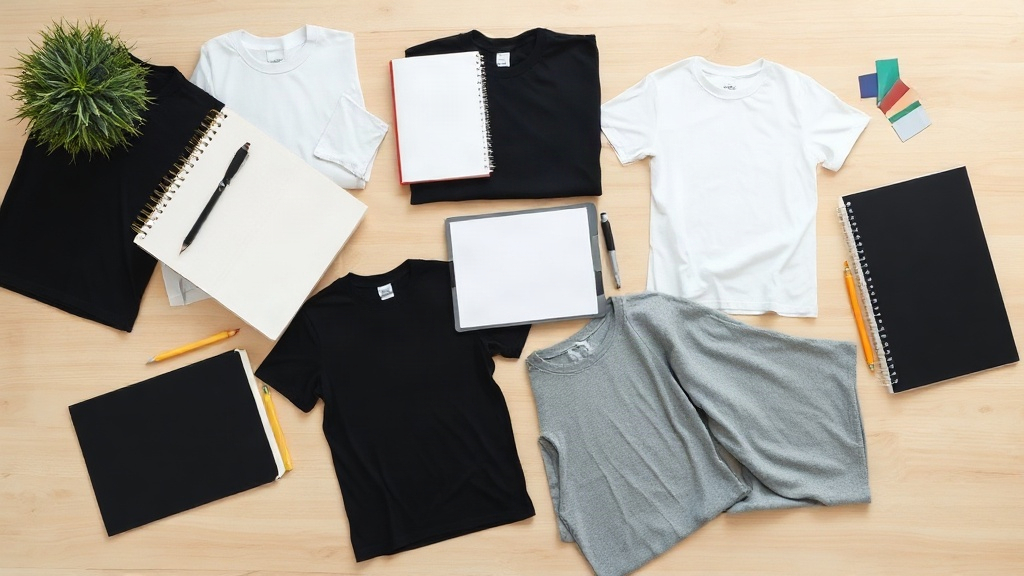
In a world where personal expression and brand identity matter more than ever, custom t-shirts have become a canvas for creativity. Whether you're a business owner looking to boost team spirit, an event organizer wanting memorable swag, or an individual with a passion for unique fashion, custom t-shirts offer a versatile and impactful solution. But not all custom tees are created equal. From fabric choice to printing technique, the details make all the difference. In this guide, we'll walk you through everything you need to know to create custom t-shirts that people will actually want to wear.
Why Custom T-Shirts Are More Than Just Merch
Custom t-shirts are wearable billboards, but they're also personal statements. They can unify a team, promote a cause, or simply make someone smile. Unlike other promotional items, t-shirts get repeated exposure. A well-designed tee can be worn for years, spreading your message far and wide. Plus, with the rise of remote work and casual dress codes, custom apparel has become a staple in corporate culture and beyond.
Choosing the Right Blank T-Shirt for Customization
The foundation of any great custom t-shirt is the blank itself. The fit, fabric, and feel determine whether your design will be worn with pride or relegated to the back of the drawer. At Smart Blanks USA, we understand that quality matters. Here's what to consider when selecting blanks:
Fabric and Weight
Cotton is king for comfort, but blends offer durability and moisture-wicking properties. For a premium feel, look for combed ring-spun cotton. The weight of the fabric (measured in ounces per square yard) affects how the shirt drapes and how well it holds up over time. A 5.3 oz shirt is a solid middle ground, while heavier weights (6 oz+) feel more substantial.
Fit and Style
From classic crew necks to trendy oversized fits, the silhouette matters. Consider your audience: a tech startup might prefer a modern slim fit, while a construction company might opt for a relaxed fit. Also, think about necklines, sleeve lengths, and available sizes. Inclusivity is key, so offer a wide range of sizes.
Color Options
The color of your blank sets the tone. Neutral colors like white, black, and gray are safe bets, but don't shy away from bold hues if they align with your brand. Remember that the blank color will interact with your design, so plan accordingly.
Designing Custom T-Shirts That Resonate
Your design is the heart of your custom t-shirt. Whether you're a seasoned graphic designer or a novice, these principles will help you create something memorable.
Keep It Simple
Overly complex designs can get lost in translation when printed. Bold, simple graphics and clear typography often have the most impact. Think of iconic logos like Nike's swoosh or Apple's apple: simplicity wins.
Consider the Placement
Full-front prints are classic, but don't overlook left-chest logos, back prints, or sleeve details. Placement affects visibility and perceived value. A small logo on the chest can look more professional, while a large back print makes a statement.
Use High-Quality Graphics
Vector files (AI, EPS, PDF) are ideal because they can be scaled without losing quality. If you're using raster images, ensure they're at least 300 DPI at the final print size. Avoid gradients and fine details that may not reproduce well on fabric.
Color Psychology
Colors evoke emotions. Red conveys energy, blue trust, green growth. Choose a palette that aligns with your message and stands out on your chosen blank color. Contrast is crucial: light designs on dark shirts and vice versa.
Printing Methods for Custom T-Shirts
The printing technique you choose affects the look, feel, and durability of your custom t-shirts. Here's a rundown of the most common methods:
- Screen Printing: The go-to for bulk orders. It's cost-effective, vibrant, and durable. However, it requires a separate screen per color, so it's best for simple designs with few colors.
- Direct-to-Garment (DTG): Ideal for complex, full-color designs and small batches. It prints directly onto the fabric, but the ink may fade over time.
- Heat Transfer: Great for small runs and detailed designs. It involves transferring a printed design onto the shirt using heat and pressure. Durability varies.
- Embroidery: Adds a premium, textured look, perfect for logos. It's more expensive and best for simple designs.
Consider your budget, timeline, and design complexity when choosing a method. For large orders with simple designs, screen printing is often the most economical. For one-offs or photo-realistic images, DTG or heat transfer may be better.
Sourcing Custom T-Shirts: What to Look For
When sourcing custom t-shirts, you want a partner who understands quality and reliability. Here are key factors to evaluate:
Product Quality
Request samples to assess fabric, stitching, and fit. A reliable supplier like Smart Blanks USA offers consistent quality across orders.
Printing Capabilities
Do they offer the printing methods you need? Can they handle your design? Check their portfolio and ask about their process.
Turnaround Time
Deadlines matter, especially for events. Inquire about production and shipping times upfront.
Customer Service
Responsive support can make or break your experience. Look for suppliers who answer questions promptly and offer guidance.
Pricing
Compare quotes, but don't sacrifice quality for cost. Cheap shirts may shrink, fade, or feel uncomfortable, undermining your message.
Marketing Your Custom T-Shirts
Once you have your custom t-shirts, how do you get them into the world? If you're selling them, high-quality product photos and compelling descriptions are essential. Show the shirts on diverse models and highlight the fabric and print quality. For internal use, distribute them at events or as employee gifts. Encourage wear by making them stylish and comfortable.
Common Mistakes to Avoid with Custom T-Shirts
Even seasoned pros can slip up. Here are pitfalls to steer clear of:
- Ignoring the blank's quality: A great design on a poor shirt won't impress.
- Overcomplicating the design: Less is often more.
- Forgetting to proof: Typos or color mismatches can ruin a run.
- Choosing the wrong printing method: Match the method to the design and quantity.
- Ordering too few or too many: Estimate demand accurately to avoid waste or shortages.
Frequently Asked Questions About Custom T-Shirts
What is the best fabric for custom t-shirts?
It depends on your needs. 100% cotton is breathable and soft, ideal for everyday wear. Cotton-poly blends resist shrinking and wrinkles, making them great for activewear. Tri-blends offer a vintage look and exceptional comfort. Consider your audience and use case.
How many colors can I print on a custom t-shirt?
With screen printing, each color requires a separate screen, so costs rise with more colors. DTG can print unlimited colors in one pass. For simplicity and cost, limit your design to 1-3 colors if using screen printing.
Can I order just one custom t-shirt?
Yes, many suppliers offer single-piece orders, especially with DTG or heat transfer. However, screen printing becomes cost-effective at higher quantities (usually 12+).
How should I care for my custom t-shirt to make it last?
Turn it inside out before washing, use cold water, and avoid fabric softener. Tumble dry low or hang dry. This preserves the print and fabric.
Where can I find high-quality blank t-shirts for customization?
Smart Blanks USA offers a wide range of premium blanks in various styles and colors. Their consistent quality and reliable service make them a top choice for businesses and individuals alike.
Final Thoughts
Custom t-shirts are a powerful tool for branding, expression, and connection. By choosing the right blank, designing thoughtfully, and selecting the appropriate printing method, you can create apparel that people love to wear. Remember, quality matters from start to finish. With the right partner and a bit of creativity, your custom t-shirts will make a lasting impression.