
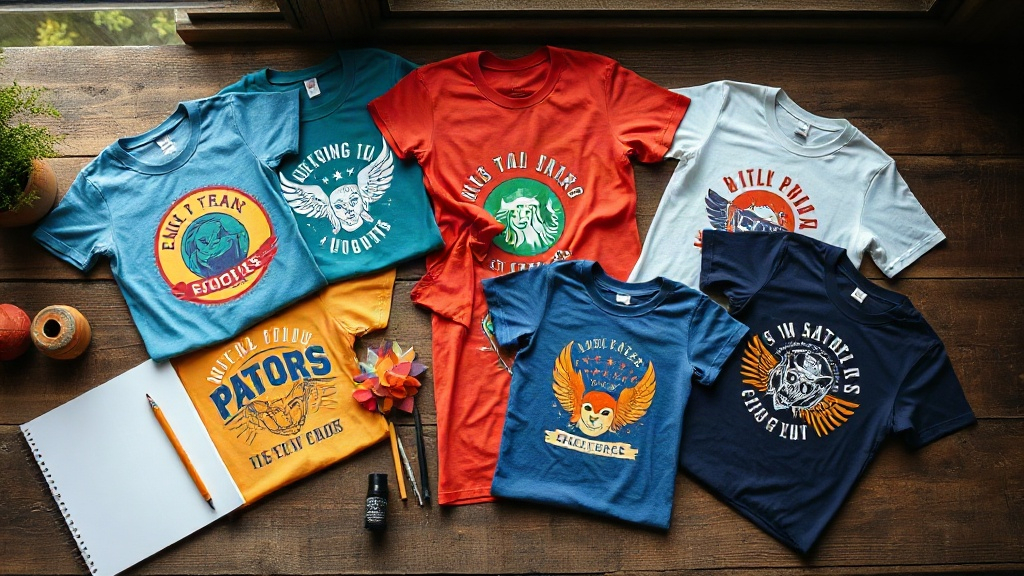
When it comes to making a lasting impression, few things beat a well-designed custom t-shirt. Whether you're promoting a business, celebrating a milestone, or simply expressing your personal style, a custom tee is a wearable billboard that travels with you. But not all custom shirts are created equal. The difference between a shirt that gets worn once and one that becomes a favorite lies in the details: fabric quality, print durability, and a design that resonates.
In this guide, we'll walk you through everything you need to know about creating custom t-shirts that people actually want to wear. From choosing the right blank to nailing the design and picking the best printing method, you'll get actionable tips to make your next project a success.
Why Custom T-Shirts Are More Than Just Merch
Custom t-shirts have evolved far beyond simple promotional giveaways. They're now a powerful tool for storytelling, community building, and brand awareness. A thoughtfully designed shirt can spark conversations, create a sense of belonging, and even become a collector's item. For businesses, custom shirts worn by employees or fans turn everyday interactions into marketing moments. For individuals, they're a canvas for creativity and self-expression.
But here's the catch: people are picky about what they wear. A scratchy fabric or a print that cracks after one wash will end up at the back of the drawer. That's why investing in quality blanks and production methods is non-negotiable if you want your custom shirts to be worn with pride.
Choosing the Right Blank T-Shirt for Customization
The foundation of any great custom shirt is the blank itself. The fabric, fit, and feel determine whether your shirt becomes a go-to favorite or a forgotten extra. Here's what to consider when selecting blanks for your project.
Fabric Matters: Cotton, Blends, and Performance
100% cotton is the classic choice for custom t-shirts. It's soft, breathable, and takes screen printing and DTG (direct-to-garment) printing beautifully. Ringspun cotton, in particular, offers a smoother surface and a softer hand, making it ideal for retail-quality shirts. If you need a bit of stretch or wrinkle resistance, cotton-poly blends are a solid option. They're durable, hold color well, and are often more affordable. For athletic or outdoor use, performance fabrics like polyester or tri-blends wick moisture and resist odors, but they may require special inks for printing.
Fit and Sizing: One Size Does Not Fit All
Gone are the days when a boxy unisex tee was the only choice. Today, you can find blanks in a range of fits: slim, standard, relaxed, and even curved or tapered styles. Consider your audience. A tech startup might prefer a modern slim fit, while a family reunion might call for relaxed, comfortable cuts. Also, offer a size range that includes extended sizes; inclusivity matters and ensures everyone can wear your design.
Color Selection: Beyond Basic White
White and black are staples, but don't limit yourself. A colored shirt can make your design pop or align with your brand palette. Just remember that the blank color affects how your design appears. For example, light-colored inks on dark shirts require a white underbase in screen printing, which can add cost. If you're using DTG, the shirt color can influence the vibrancy of the print. Always request a sample or digital mockup to see how your design translates.
Design Tips for Custom T-Shirts That Stand Out
Great design is what transforms a plain tee into a wearable piece of art. Whether you're a seasoned designer or a first-timer, these principles will help you create custom shirts that people love.
Keep It Simple and Scannable
Less is often more. A clean, bold graphic or a short, punchy phrase often outperforms a cluttered design. Think about how the shirt will be seen: from a distance, in a mirror, or on social media. Ensure your key message is legible at a glance. Use high-contrast colors and avoid tiny details that get lost.
Mind the Placement
The standard front chest print is a safe bet, but don't be afraid to experiment. A large back print with a small left-chest logo is a popular combo. Sleeve prints, hem tags, and even all-over prints can make your shirt unique. Just remember that placement affects the wearer's comfort and the design's visibility. For example, a print that's too high on the chest can look awkward, while a back print that's too low might be covered by a jacket.
Use the Right File Formats
For the best print quality, provide vector files (AI, EPS, PDF) for screen printing and high-resolution raster files (300 DPI or higher) for DTG. Avoid low-resolution JPEGs, which can look pixelated when printed. If you're not a designer, many custom shirt companies offer templates and design tools to help you create something professional.
Printing Methods: Which One Is Right for Your Custom Shirts?
The printing method you choose impacts the look, feel, durability, and cost of your custom t-shirts. Here's a rundown of the most common options.
- Screen Printing: The gold standard for bulk orders. It's cost-effective for large quantities, offers vibrant colors, and produces a durable print that withstands repeated washing. However, it requires a separate screen for each color, so it's less ideal for complex, multi-color designs or small runs.
- Direct-to-Garment (DTG): Perfect for detailed, full-color designs and small batches. DTG prints directly onto the fabric using specialized inks, resulting in a soft feel. It's great for photographic images or gradients, but the print may fade faster than screen printing on dark garments.
- Heat Transfer Vinyl (HTV): Ideal for simple designs, names, and numbers. HTV is cut from colored vinyl and heat-pressed onto the shirt. It's durable and available in many colors and finishes (matte, glossy, metallic). It's a popular choice for team jerseys and personalized gifts.
- Embroidery: Adds a premium, textured look, often used for logos on polos or left-chest designs. It's durable and professional, but not suitable for intricate details or large areas.
Consider your design complexity, order quantity, budget, and desired feel when choosing a method. Many printers offer samples so you can test before committing.
How to Care for Your Custom T-Shirts
To keep your custom shirts looking fresh, follow these care tips: Turn them inside out before washing, use cold water, and avoid harsh detergents. Tumble dry on low or hang dry. Avoid ironing directly over the print; if needed, iron inside out. With proper care, a high-quality custom shirt can last for years.
Frequently Asked Questions About Custom T-Shirts
How much do custom t-shirts cost?
Pricing depends on the blank shirt, printing method, number of colors, and order quantity. Screen printing becomes more economical at higher volumes, while DTG is cost-effective for small runs. Expect to pay anywhere from $8 to $25 per shirt for basic designs, with premium blanks and complex prints costing more.
What's the minimum order for custom shirts?
Minimums vary by printer and method. Screen printing often requires a minimum of 12 to 24 pieces, while DTG and HTV can be done for single shirts. Some companies specialize in no-minimum orders, making them great for individuals or small teams.
Can I put my own logo on a t-shirt?
Absolutely. You can upload your logo or design, and the printer will create a screen or digital file for production. Ensure your logo is high-resolution and in a suitable format. If you don't have a vector file, many printers offer vectorization services for a fee.
How long does it take to get custom t-shirts?
Turnaround time depends on the printer's workload and the printing method. Standard production is typically 5 to 10 business days after proof approval, plus shipping. Rush options are often available for an extra fee. Always confirm timelines before placing a large order.
Are custom t-shirts worth it for small businesses?
Yes, they can be a smart marketing investment. Custom shirts increase brand visibility, foster team spirit, and serve as walking advertisements. They also make great giveaways or thank-you gifts for customers. Just ensure the design is something people will actually want to wear.