
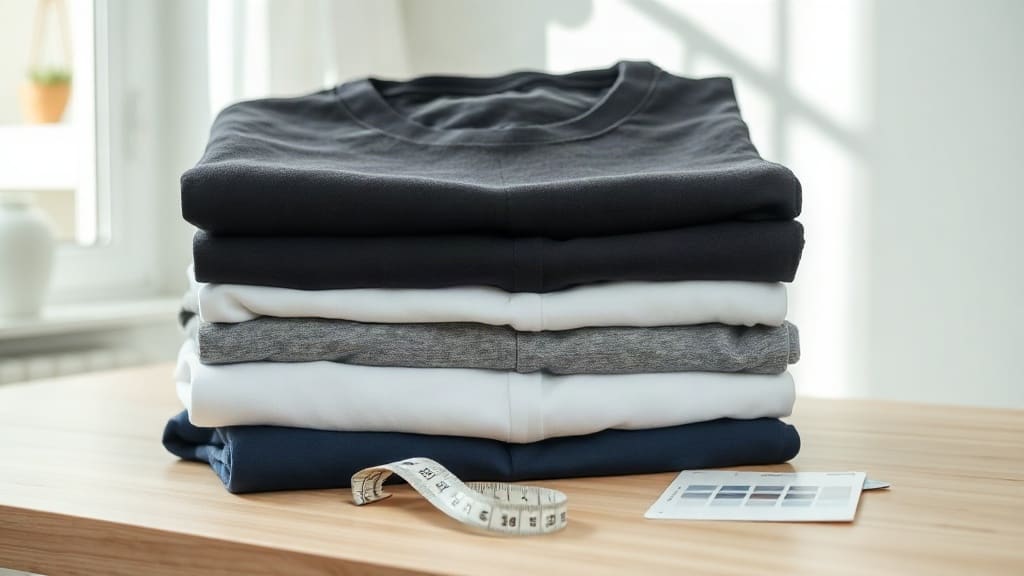
Walk into any print shop and you will notice something quickly: the finished design gets all the attention, but the shirt underneath decides whether anyone actually wears it. Smart blank t-shirts solve that problem by giving decorators a dependable canvas that holds ink well, survives a wash cycle, and feels good enough to wear on a random Tuesday. Whether you are running a small brand, ordering staff uniforms, or printing a batch for a local event, the blank you choose shapes everything that follows.
This guide walks through what actually matters when you buy blanks: fabric, weight, fit, color, and the small details that separate a shirt people keep from one that ends up in a donation bin.
Why the Blank Matters More Than the Print
A print can only be as good as the surface it sits on. A thin, loosely knit shirt will distort under a plastisol screen print, and embroidery on a flimsy fabric can pucker or pull. That is why experienced decorators spend more time selecting blanks than they do choosing ink colors.
There is also a practical side. When you buy blanks in bulk, small differences in sizing and shrinkage compound across an order. If a shirt runs half a size small and shrinks another five percent after the first wash, your size run falls apart. Consistent blanks protect your reputation because the customer blames the shirt, not the printer.
Finally, blanks affect cost. A heavier ring-spun cotton tee costs more per unit, but it also holds up better and reduces returns. For many projects, paying slightly more upfront for a quality blank saves money on replacements later.
Fabric Types You Will Actually Encounter
Most blanks fall into a few fabric categories, and each behaves differently under a press or needle.
100% Cotton
Cotton remains the default for a reason. It takes screen printing, DTG, and embroidery well, feels soft against skin, and breathes. Ring-spun cotton, where the fibers are spun into a finer, tighter yarn, produces a smoother surface and a softer hand than standard open-end cotton. If your design has fine lines or halftones, ring-spun gives you a cleaner result.
Cotton and Polyester Blends
Blends, often 50/50 or 60/40, mix durability with softness and tend to shrink less than pure cotton. They are common in performance and retail-style shirts. One thing to watch: printing on blends can cause dye migration, where the polyester dye bleeds into the ink over time. Using a low-bleed or poly-friendly ink solves this, but it is worth flagging to your printer before the order goes in.
Tri-Blends
Tri-blends combine cotton, polyester, and rayon for a vintage, heathered look and a very soft feel. They are popular for retail and lifestyle brands, but they are more expensive and require careful handling during printing. If your audience cares about aesthetics over pure durability, tri-blends earn their price.
Performance and Polyester
For athletic wear, moisture-wicking polyester dominates. It is lightweight and dries fast, but it needs specific inks and lower press temperatures to avoid scorching. If you are printing on performance fabrics, confirm your decorator has experience with them.
Shirt Weight Explained
Weight is measured in ounces per square yard, and it tells you how substantial a shirt feels.
- Lightweight (4 to 4.5 oz): Thin, breathable, and often used for summer or promotional shirts. Can feel flimsy and may be semi-sheer in lighter colors.
- Midweight (5 to 5.5 oz): The sweet spot for most projects. Comfortable, opaque enough for printing, and versatile across seasons.
- Heavyweight (6 oz and up): Durable and structured, favored for workwear, streetwear, and anything meant to last. Heavier shirts also drape differently and hold their shape longer.
There is no universally correct weight. A 6 oz shirt in July feels like a mistake, while a 4 oz shirt on a job site falls apart by the second week. Match the weight to how the shirt will be used.
Fit, Sizing, and the Details That Matter
Fit is where orders quietly succeed or fail. Most blanks come in classic, relaxed, or slim cuts, and each brand interprets those labels differently. Always request a sample or check a size chart with actual garment measurements rather than trusting the label.
Beyond the cut, look at these construction details:
- Shoulder seams: Taped or reinforced shoulders resist stretching and support embroidery weight.
- Side seams: Tubular shirts (no side seams) are cheaper but fit less precisely. Side-seamed shirts cost more and fit better.
- Collar: Ribbed collars with a bit of spandex hold their shape through repeated washing. A thin, flat collar stretches out fast.
- Stitching: Double-needle hems last longer, especially on sleeves that see a lot of movement.
Color Selection and Inventory Planning
Color drives perceived value. A well-chosen palette makes a small brand look established, while an odd color choice can make even a good design look like a giveaway.
Start with a neutral core: black, white, navy, heather gray, and maybe a warm sand tone. These colors sell consistently, work with most logo colors, and are easy to restock. Then add two or three accent colors that fit your brand identity. Avoid ordering deep inventory in trend colors, because they date quickly and tie up cash.
Also consider how color interacts with your decoration method. White ink on a black shirt pops, but requires an underbase for opacity. Dark ink on a light heather shirt can look washed out because the fabric texture shows through. A quick test print on your chosen color prevents surprises.
Printing and Embroidery Compatibility
Not every blank plays nicely with every decoration method. Here is a quick compatibility check:
- Screen printing: Works best on 100% cotton and cotton-rich blends with a smooth surface.
- DTG (direct to garment): Prefers 100% cotton, especially ring-spun, for vivid color and soft hand.
- Embroidery: Needs a stable fabric. Heavyweight cotton and structured blends hold stitches without puckering.
- Heat transfer and vinyl: Flexible across fabrics, but avoid high heat on polyester to prevent scorching.
If you are ordering a mixed run, say some shirts printed and others embroidered, choose one blank that handles both well. Consistency across the order looks more professional than a patchwork of different fabrics.
How to Evaluate a Blank Before Committing
Before placing a large order, run a simple test. Order two or three shirts in your target size and color, wash one three times, and inspect it. Check for shrinkage, fading, pilling, and seam distortion. Wear one for a day and see how it feels after a few hours. Then hand the third to your printer for a test print or stitch-out.
This small step costs very little and prevents expensive mistakes. It also gives you real experience to speak from when customers ask why you chose a particular shirt.
Frequently Asked Questions
What does smart blank mean in t-shirt terms?
It refers to a blank shirt chosen deliberately for its fabric, weight, and construction so it performs well under printing or embroidery and holds up in everyday wear. The idea is to treat the blank as a strategic choice rather than an afterthought.
Are 100% cotton shirts better than blends for printing?
For screen printing and DTG, 100% cotton usually produces the crispest results and softest hand. Blends shrink less and last longer, but they can cause dye migration with certain inks. The right choice depends on your decoration method and how the shirt will be worn.
How much do blank t-shirts shrink after washing?
Most cotton blanks shrink between three and five percent after the first wash, with some brands running higher. Pre-shrunk or ring-spun options shrink less. Always check the manufacturer's shrinkage notes and consider sizing up if you are between sizes.
What weight t-shirt is best for embroidery?
Midweight to heavyweight shirts, roughly 5.5 oz and above, handle embroidery best because the fabric is stable enough to support stitches without puckering. Very lightweight shirts can distort under dense designs.
How many blank t-shirts should I order for a small run?
Order a few extra beyond your confirmed count to cover misprints, sizing swaps, and last-minute additions. A buffer of five to ten percent is common for small runs and saves you from reordering a single shirt later.