
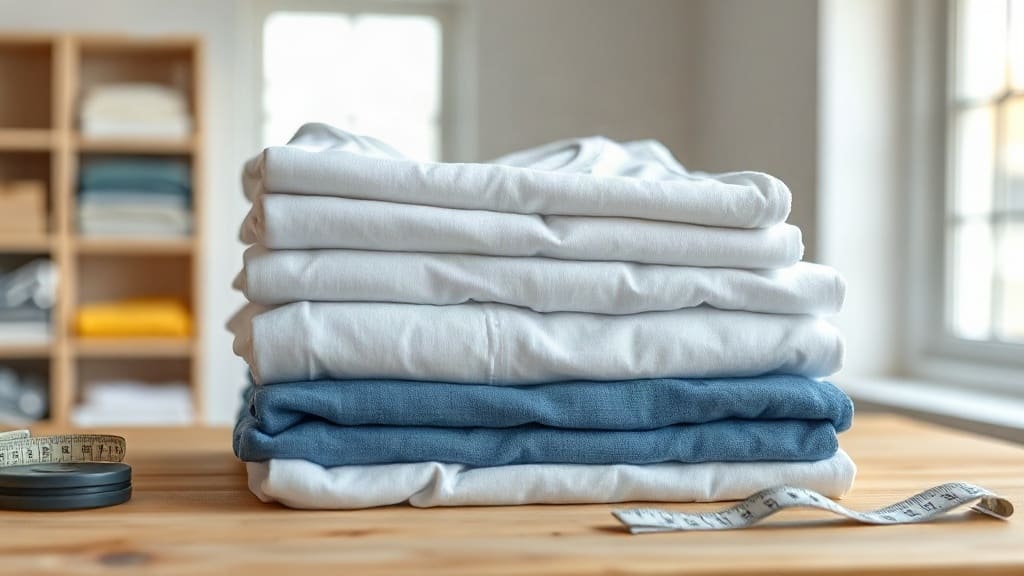
When it comes to creating custom apparel that looks professional and feels great, the foundation is everything. That's where Smart Blank T-Shirts come in. These aren't your average blanks; they are carefully engineered garments designed to bring out the best in your designs. Whether you're a screen printer, a small business owner, or someone planning a one-time event, choosing the right blank can make or break your project. In this guide, we'll dive deep into what makes smart blanks stand out, how to select the perfect one for your needs, and expert tips to ensure your prints look stunning every time.
What Makes Smart Blank T-Shirts Different?
At first glance, a t-shirt might seem like a simple piece of clothing. But not all blanks are created equal. Smart Blank T-Shirts are distinguished by their superior fabric quality, consistent sizing, and construction that's optimized for printing. Unlike generic blanks that may vary from batch to batch, smart blanks offer reliability. That means your customers get a product that fits well and lasts, and you get a canvas that takes ink beautifully.
One key difference is the fabric blend. Smart blanks often use combed ring-spun cotton, which is softer and smoother than standard cotton. This results in a print surface that's free of imperfections, so your designs appear crisp and vibrant. Additionally, smart blanks are pre-shrunk, reducing the risk of shrinkage after washing. This attention to detail ensures that the final product meets the high standards of both printers and end-users.
Why Quality Blanks Matter for Custom Printing
If you've ever printed on a low-quality blank, you know the frustration: uneven surfaces, ink bleeding, or a print that cracks after a few washes. The quality of the blank directly impacts the outcome of your printing. Smart Blank T-Shirts are designed to mitigate these issues. Their tight weave and smooth finish allow for precise detail, whether you're doing screen printing, direct-to-garment (DTG), or heat transfer vinyl.
Moreover, a high-quality blank enhances the perceived value of your product. Customers are more likely to wear and recommend a t-shirt that feels comfortable and looks durable. This is especially important for businesses building a brand. By choosing smart blanks, you're investing in your reputation.
Choosing the Right Fabric for Your Project
The fabric of your blank t-shirt plays a crucial role in how your print turns out and how the shirt feels to wear. Let's break down the most common options:
- 100% Cotton: The classic choice. It's breathable, soft, and takes prints well. However, it can shrink slightly and may wrinkle. Smart blanks often use combed cotton to minimize these issues.
- Cotton/Polyester Blends: These offer the best of both worlds: the softness of cotton and the durability of polyester. They resist shrinking and wrinkling, making them ideal for activewear or everyday use. Blends are also great for DTG printing.
- Tri-Blends: A mix of cotton, polyester, and rayon, tri-blends are incredibly soft and have a vintage, heathered look. They drape well but can be trickier to print on due to their texture.
- Performance Fabrics: Moisture-wicking and quick-drying, these are perfect for sports and outdoor events. They require special inks for printing, so check compatibility.
Consider the end-use of the shirt. For a retail line, tri-blends or combed cotton offer a premium feel. For a 5K run, performance fabrics are a must. Smart blanks come in all these options, so you can match the fabric to your project.
Fit and Sizing: Ensuring Comfort and Style
Fit is a personal preference, but when you're producing shirts for others, you need to cater to a range of body types. Smart blanks typically offer a variety of fits, from classic to slim to relaxed. It's essential to choose a fit that appeals to your target audience. For example, younger demographics might prefer a slimmer cut, while older customers may opt for a more relaxed fit.
Sizing consistency is another critical factor. Inconsistent sizing leads to returns and dissatisfied customers. Smart blanks are known for their accurate sizing, so a medium is always a medium. This reliability simplifies inventory management and ensures a better experience for everyone.
Printing Techniques and Compatibility
Different printing methods require different blank characteristics. Here's a quick guide to matching your technique with the right Smart Blank T-Shirts:
- Screen Printing: Works best on smooth, tightly woven fabrics like 100% cotton or cotton/poly blends. The ink sits on top of the fabric, so a flat surface is essential for crisp lines.
- Direct-to-Garment (DTG): Ideal for blends with high cotton content. The fabric must be pre-treated, and a smooth surface ensures vibrant colors. Smart blanks are often optimized for DTG.
- Heat Transfer Vinyl (HTV): Can be applied to most fabrics, but synthetic fibers may require lower temperatures. Always test on a sample first.
- Embroidery: Requires a sturdy fabric that can support the stitching without puckering. Blends and heavier cottons work well.
Always check the blank manufacturer's recommendations for printing. Smart blanks often come with guidelines to help you achieve the best results.
Cost vs. Value: Why Smart Blanks Are Worth It
At first glance, smart blanks might seem more expensive than generic alternatives. But when you factor in the reduced waste, fewer misprints, and higher customer satisfaction, the value becomes clear. A shirt that lasts longer and looks better reflects positively on your brand, leading to repeat business and word-of-mouth referrals.
Additionally, smart blanks are often more consistent, which means less time and money spent on reprints or dealing with complaints. For businesses, this translates to a healthier bottom line.
Common Mistakes to Avoid When Choosing Blanks
Even experienced printers can fall into traps when selecting blanks. Here are a few pitfalls to watch out for:
- Ignoring fabric content: Not all cottons are equal. Cheap cotton can pill and fade quickly.
- Overlooking shrinkage: Always pre-shrink or choose pre-shrunk blanks to avoid surprises.
- Choosing the wrong fit: What looks good on a hanger may not fit your audience.
- Skimping on quality: Saving a few cents per shirt can cost you in the long run.
By avoiding these mistakes, you'll ensure your custom apparel project is a success.
Frequently Asked Questions
What are smart blank t-shirts and how do they differ from regular blanks?
Smart blank t-shirts are premium blanks designed with printing in mind. They feature superior fabrics, consistent sizing, and construction that enhances print quality. Unlike regular blanks, they undergo stricter quality control, ensuring a smooth, reliable canvas for your designs.
Which fabric is best for screen printing on smart blanks?
For screen printing, 100% combed cotton or a cotton/polyester blend works best. These fabrics have a smooth surface that allows the ink to sit evenly, resulting in sharp, vibrant prints. Avoid highly textured fabrics like tri-blends for detailed screen prints.
Do smart blank t-shirts shrink after washing?
Most smart blanks are pre-shrunk, so shrinkage is minimal. However, always check the care label. Washing in cold water and tumble drying on low can further reduce the risk of shrinkage.
Can I use smart blanks for direct-to-garment printing?
Yes, many smart blanks are optimized for DTG printing. They are often treated with a pre-treatment solution to ensure the ink adheres properly. Check the manufacturer's guidelines for DTG compatibility.
Where can I buy smart blank t-shirts in bulk?
You can purchase smart blank t-shirts from authorized distributors like Smart Blanks USA. They offer a wide range of styles, colors, and sizes, often with bulk discounts. Always order samples first to ensure quality.